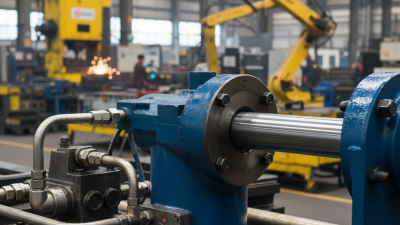
Best Hydraulic Cylinder for Excavator What to Consider?
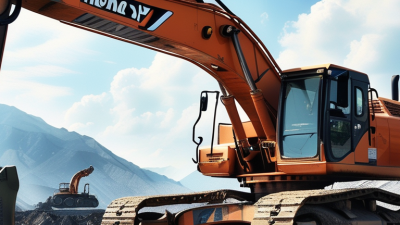
When choosing the best hydraulic cylinder for excavators, several factors come into play. According to John Smith, a leading expert in hydraulic systems, “The efficiency of any excavator heavily relies on the quality of its hydraulic cylinder.” This emphasizes the importance of finding reliable and durable hydraulic cylinders for optimal performance.
Understanding the specific needs of your excavator can guide your selection. The size and weight of the hydraulic cylinder must match the excavator’s specifications. Additionally, consider the working conditions—harsh environments can demand more robust solutions. Sometimes, a cheaper option may seem appealing but could lead to issues like leaking or premature wear.
Reflecting on previous expert advice shows us the value of selecting the right hydraulic components. Not all cylinders are created equal; some may not perform under high stress. Reliability is key in construction projects. Investing time in research can save costs in the long run. Ensure your choice embodies quality and performance for your hydraulic cylinder for excavator needs.
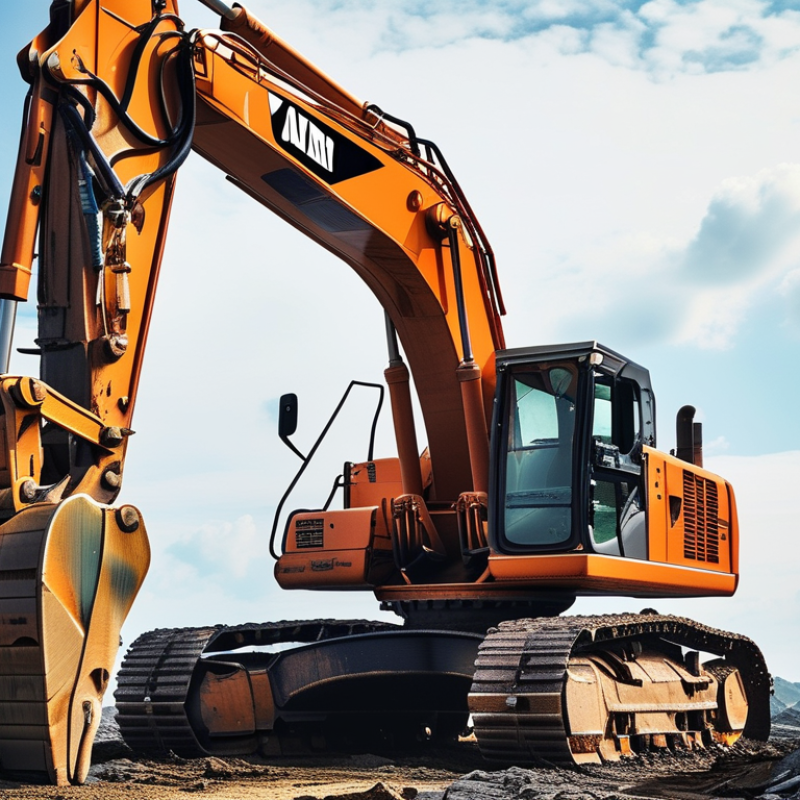
Understanding Hydraulic Cylinders in Excavators
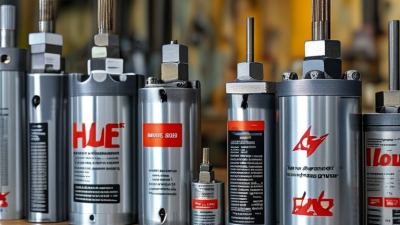
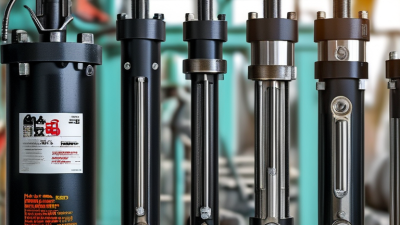
Hydraulic cylinders play a vital role in excavators. These powerful components are responsible for converting hydraulic energy into mechanical work. They enable movement in various applications, from lifting heavy loads to extending arms and attachments. Understanding their functionality is essential for anyone involved with excavators.
One must consider specific factors when evaluating hydraulic cylinders. The diameter, stroke length, and material all play significant roles in performance and durability. Choose a cylinder with the correct specifications to avoid issues during operation.
Pay attention to maintenance practices. Regular checks for leaks and hydraulic fluid quality can prevent costly repairs. The seals and rods must also be inspected for wear. Neglecting these details can lead to unexpected breakdowns, impacting productivity.
Durability often depends on environmental factors. Exposure to extreme temperatures and debris can shorten the lifespan of hydraulic cylinders. Consider using protective coverings in harsh conditions. Making thoughtful choices in these areas reflects a commitment to quality and reliability in excavator operations.
Key Factors to Consider When Choosing Hydraulic Cylinders
When choosing hydraulic cylinders for excavators, several factors are crucial. The capacity of the cylinder directly impacts the machine's performance. Adequate lifting power and responsiveness can significantly affect productivity on the job site. Examine the weight ratings and ensure they match the excavator specifications.
Material and construction quality also matter. Steel cylinders offer durability, but weight is a concern for balancing the excavator. Additionally, consider the hydraulic fluid used. Compatibility is vital for preventing leaks and ensuring efficient operation. Look for features like sealing mechanisms that can prevent wear over time.
Maintenance needs are another factor. A cylinder that requires frequent servicing may lead to downtime. It's essential to evaluate a cylinder's design for ease of access. Look for maintenance-friendly features that minimize interruptions. While it’s tempting to select the first option based on price, a thoughtful approach can save money in the long run. Reflect on these factors to make a better-informed choice.
Best Hydraulic Cylinder for Excavator - Key Factors to Consider
| Factor |
Description |
Importance Level |
| Cylinder Size |
Ensure the hydraulic cylinder size matches the excavator specifications and workload. |
High |
| Material & Durability |
Choose cylinders made of high-strength materials that resist wear and corrosion. |
High |
| Pressure Rating |
Select cylinders with appropriate pressure ratings for the application needs. |
High |
| Seal Quality |
Assess the quality of seals to prevent leakage and enhance performance longevity. |
Medium |
| Cost |
Consider budget constraints while ensuring quality and performance aren’t compromised. |
Medium |
| Manufacturer Reputation |
Research the reliability and reputation of the manufacturers. |
Medium |
| Maintenance Requirements |
Evaluate the ease of maintenance and availability of replacement parts. |
Low |
Types of Hydraulic Cylinders Suitable for Excavators
When choosing hydraulic cylinders for excavators, understanding the various types is essential. There are generally three main categories: single-acting, double-acting, and telescopic cylinders. Each type serves distinct functions. For instance, single-acting cylinders are simple and cost-effective. They exert force in one direction and rely on external force for retraction. They are quite effective in limited applications.
Double-acting cylinders are more versatile. They can extend and retract using hydraulic pressure, making them suitable for various tasks. This type provides greater control over the movement of the excavator's arm. They often feature a more complex design but allow for smoother operations. Telescopic cylinders are another option. These are designed to extend multiple sections, providing a compact size while maximizing reach. Their design can complicate repairs, posing challenges in maintenance.
Selecting the right hydraulic cylinder requires careful consideration of the excavator's intended use. It's crucial to evaluate working pressures, stroke lengths, and mounting configurations. Operators should reflect on their specific needs, as an incorrect choice could lead to inefficiencies or increased costs. Understanding these nuances fosters informed decisions, enhancing overall performance and reliability.
Best Brands and Models of Excavator Hydraulic Cylinders
When selecting an excavator hydraulic cylinder, understanding the best brands is crucial. Leading brands in the industry focus on durability and performance. According to industry reports, the failure rate of hydraulic cylinders can reach 30% due to poor manufacturing quality. This statistic emphasizes the importance of choosing reputable brands that adhere to strict quality control measures.
Top manufacturers often invest in advanced materials. This enhances resistance to wear and damage. Many high-quality cylinders employ piston rods made from high tensile strength steel. They also feature optimal seals to prevent leaks. In recent studies, cylinders that utilize superior coatings showed a 25% increase in lifespan compared to standard options.
However, even trusted brands can have inconsistencies. It’s important to review customer feedback and performance reviews. Some users report issues with specific models that don’t meet their expectations. Analyzing these reviews can provide valuable insight. By doing so, you can identify potential shortcomings, ensuring you choose a hydraulic cylinder that meets your specific needs effectively.
Maintenance Tips for Prolonging Hydraulic Cylinder Lifespan
Proper maintenance of hydraulic cylinders is crucial for extending their lifespan. Begin by regularly inspecting the cylinders for leaks and signs of wear. Look for any deformation or corrosion on the surface. These indicators often hint at deeper issues. Pay attention to the seals; they are critical for preventing fluid loss. If you notice any deterioration, replace them immediately to avoid more extensive damage.
Cleaning is another essential step. Accumulated dirt and debris can cause premature wear. Use a soft cloth to wipe down the exterior frequently. Additionally, check the hydraulic fluid levels regularly. Low fluid can lead to inadequate lubrication and increased friction, which stresses the cylinders. Keeping the hydraulic fluid clean is just as vital; it should be changed as recommended by the manufacturer.
It’s crucial to operate the excavator within the specified limits. Overloading it can cause unnecessary strain on the hydraulic system. Monitor usage patterns; modifications in operation can highlight potential problems early. Training operators on the importance of proper handling can significantly affect the system's reliability and longevity. Small changes can yield significant benefits in maintaining the hydraulic cylinders.