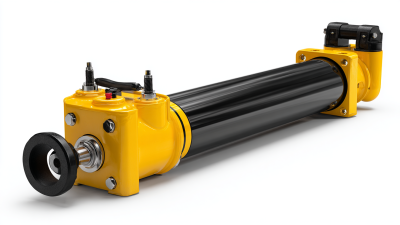
2026 How to Choose the Best Hydraulic Cylinder for Forklift?
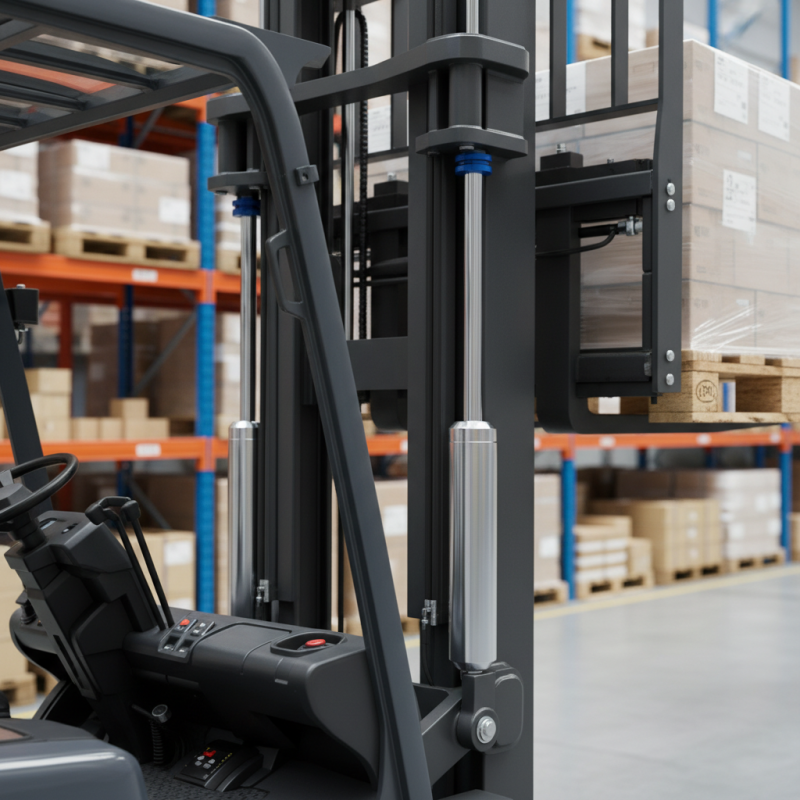
Choosing the right hydraulic cylinder for forklift applications can be challenging. The hydraulic cylinder for forklift is critical to performance and safety. A well-chosen cylinder enhances lifting capacity and operational efficiency.
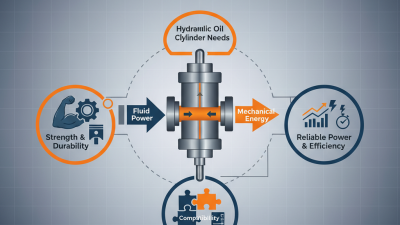
When selecting a hydraulic cylinder, consider specific requirements. Understand the loads you need to lift and the frequency of use. Different tasks may require varying cylinder sizes and specifications. It's also important to assess the hydraulic system's compatibility with the chosen cylinder.
Many overlook the importance of quality. Investing in a reliable hydraulic cylinder for forklift can prevent future issues. Reliability reduces downtime and increases productivity. While you may find cheaper options, they might lack durability. Remember, a trustworthy cylinder can make all the difference in your operations.
Understanding Hydraulic Cylinders and Their Importance for Forklifts
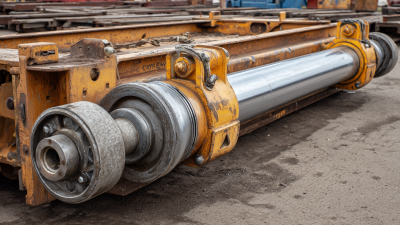
Hydraulic cylinders play a vital role in the functionality of forklifts. These components are essential for lifting, tilting, and moving heavy loads. A well-designed hydraulic cylinder can significantly enhance a forklift's overall performance. Industry reports indicate that around 27% of forklift failures are linked to hydraulic system issues. This highlights the importance of choosing the right hydraulic cylinder.
When selecting a hydraulic cylinder, consider key factors like load capacity, stroke length, and mounting style. Load capacity should align with the maximum weight your forklift will handle. An incorrect cylinder can lead to inefficiencies or even safety hazards. It's also crucial to assess the stroke length, as an inadequate length can limit the forklift's versatility.
Tips: Always consult the specifications for load cycles. Regular maintenance checks can prevent major breakdowns and extend the lifespan of your hydraulic systems. Be aware of common signs of wear and tear, such as leaks and unusual sounds. Addressing these early can save resources in the long run. Remember, an improperly chosen or maintained cylinder can lead to operational disruptions.
Key Factors to Consider When Selecting Hydraulic Cylinders for Forklifts
When choosing hydraulic cylinders for forklifts, consider several key factors. The size of the cylinder significantly impacts performance. A mismatch between the cylinder and forklift capacity may lead to serious inefficiencies. For instance, a study indicated that improperly sized hydraulic systems can decrease overall efficiency by up to 25%.
Another important aspect is the type of seals used in the cylinder. High-quality seals can prevent leaks and prolong the lifespan of the hydraulic cylinder. Reports suggest that wear and tear on seals contribute to about 30% of hydraulic system failures. Investing in durable seals can yield substantial savings in maintenance costs.
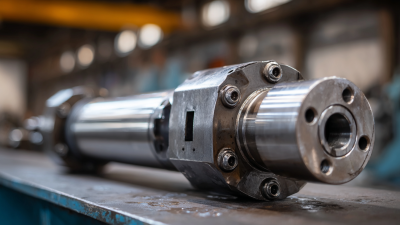
Material selection is also critical. Cylinders made from high-strength steel can handle heavier loads and resist corrosion. Using subpar materials may seem cost-effective initially, but it often leads to more frequent replacements. A thorough analysis of potential materials can guide in making a reliable choice. Overall, understanding these factors helps ensure that the selected hydraulic cylinder performs reliably under various conditions.
2026 How to Choose the Best Hydraulic Cylinder for Forklift? - Key Factors to Consider When Selecting Hydraulic Cylinders for Forklifts
| Criteria |
Details |
| Load Capacity |
Determine the total weight that the forklift will lift, including attachments. |
| Cylinder Stroke Length |
Select a stroke length that accommodates the required lifting height. |
| Operating Pressure |
Check the specifications for the maximum pressure the cylinder can handle. |
| Mounting Style |
Ensure that the mounting style matches your forklift's design (e.g., pin, flange). |
| Material & Coating |
Consider durability aspects like corrosion resistance based on working environment. |
| Return Speed |
Evaluate how quickly the cylinder retracts, impacting workflow efficiency. |
| Cost & Budget |
Analyze total cost including possible maintenance or additional features. |
Types of Hydraulic Cylinders Suitable for Forklift Applications
When selecting hydraulic cylinders for forklifts, understanding different types is crucial. There are two main categories: single-acting and double-acting cylinders. Single-acting cylinders use hydraulic pressure in one direction only, ideal for lifting and lowering applications. In contrast, double-acting cylinders can push and pull, making them suitable for more versatile tasks.
Efficiency in forklift operation relies heavily on the hydraulic system. According to industry reports, nearly 25% of forklift failures stem from hydraulic issues. Choosing the right cylinder type can reduce these failures. For example, a double-acting cylinder can offer better control and response time. This leads to improved safety and productivity in warehouse settings.
In practice, consider the load and operational environment. Heavy-duty applications may require robust and larger cylinders. Factors like temperature and exposure to contaminants also play a role. A cylinder that performs well in one environment may falter in another. Cross-examining specifications helps in making informed decisions. Always consult industry standards when evaluating options.
Evaluating Compatibility of Hydraulic Cylinders with Forklift Models
Choosing the right hydraulic cylinder for a forklift hinges on understanding compatibility with your specific model. Hydraulic cylinders vary in size, shape, and force capabilities. They must match the specifications required by your forklift to function effectively.
It’s vital to consider mounting styles and pressure ratings. Forklifts have unique configurations that dictate which cylinders can work safely. Sometimes, a cylinder may fit physically but exceed your forklift’s pressure limits. This can lead to potential failures or inefficiencies.
Additionally, review the operational environment. High temperatures or corrosive materials can impact cylinder performance. A specially designed cylinder might be necessary for such conditions. This underlines the importance of not only checking compatibility on paper but also in real-world conditions. Reflecting on these factors can lead to better decision-making and long-term reliability.
Maintenance Tips for Extending the Lifecycle of Hydraulic Cylinders
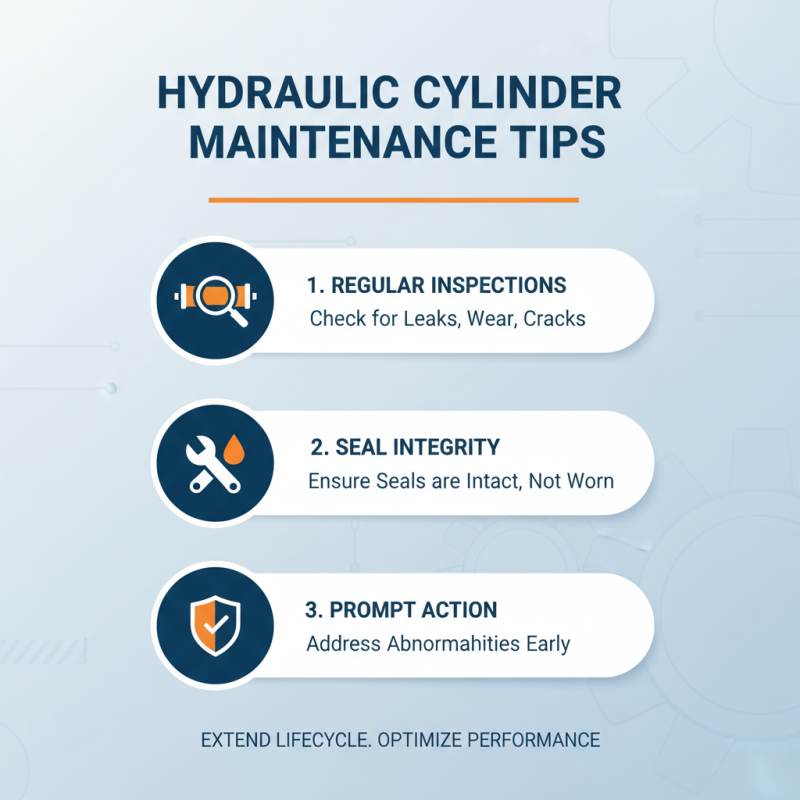
Maintaining hydraulic cylinders is essential for optimal performance and longevity. Regular inspections are crucial. Check for leaks, wear, and cracks that may develop over time. A small leak can lead to significant performance issues. Ensure that seals are intact and not worn out. If you notice any abnormalities, address them immediately to prevent costly repairs later.
Cleaning hydraulic cylinders is equally important. Dirt and debris can cause internal damage. Use a soft cloth to wipe the exterior regularly. For deeper cleaning, consult the manufacturer’s guidelines. Consider using appropriate fluids for both cleaning and operation. Using the wrong fluid can lead to compatibility issues, decreasing efficiency.
Finally, proper storage is vital when hydraulic cylinders are not in use. Store them in a cool, dry place to avoid rust and deterioration. Lack of attention in this area can lead to preventable damage. Remember, even small oversights can have lasting impacts on the performance of hydraulic systems. It's critical to approach maintenance with diligence and care.