Why Choose Telescopic Cylinders for Your Industry Needs?
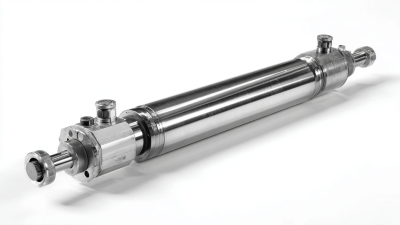
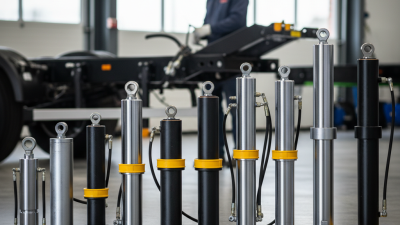
In today's industrial landscape, machinery and equipment must be versatile and efficient. Telescopic cylinders present a unique solution for various applications. These hydraulic components are designed to extend and retract, providing the necessary force to lift heavy loads. Their compact nature allows them to fit into tight spaces, making them ideal for construction, material handling, and transportation industries.
Choosing the right cylinder is crucial for optimizing efficiency. Telescopic cylinders offer significant advantages, such as improved reach and performance. Industries that rely on heavy lifting or repetitive motion can benefit greatly from these powerful tools. However, not all telescopic cylinders are created equal. It's essential to consider factors such as materials, designs, and manufacturer expertise to ensure reliability and durability.
As companies seek to enhance productivity, the choice of equipment becomes increasingly important. Many industries overlook the benefits of telescopic cylinders, leading to missed opportunities. Investing in high-quality telescopic cylinders can transform your operations. It’s time for businesses to rethink their equipment choices and explore innovative solutions for their specific needs.
Benefits of Telescopic Cylinders in Various Industries
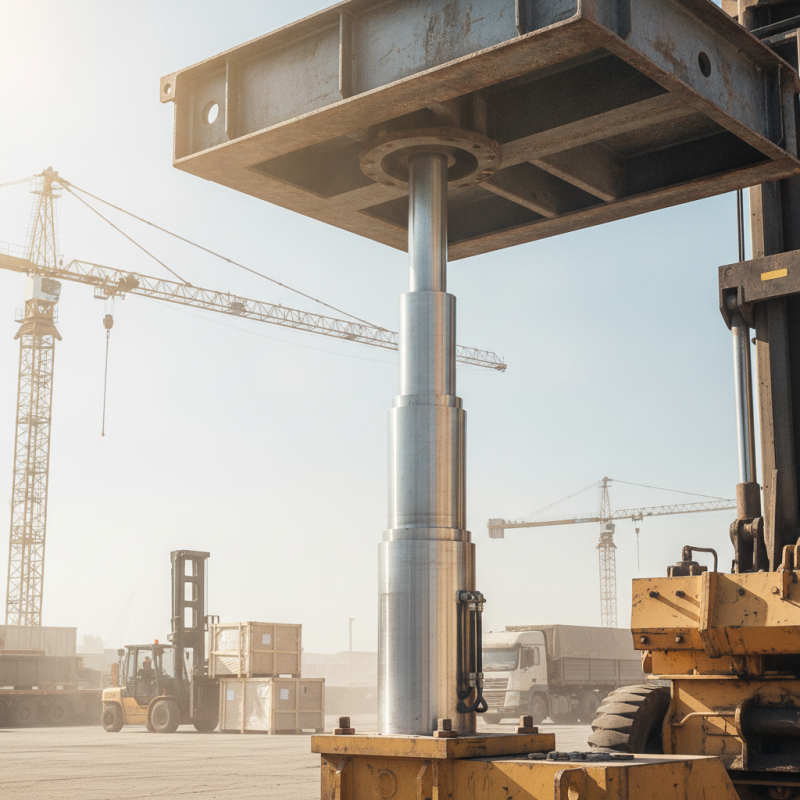
Telescopic cylinders are essential tools in several industries. Their ability to provide high power in limited space makes them invaluable. In construction, for example, telescopic cylinders can extend to lift heavy loads. According to industry reports, they can handle loads up to 400% of their own weight. This efficiency translates into faster project completion and reduced labor costs.
Using telescopic cylinders in the agricultural sector also shows significant benefits. They can enable tractors and other farm machinery to navigate tough terrains effectively. A report from the Agricultural Engineering Society indicates that these cylinders improve operational efficiency by up to 30%. This results in higher yields and lower fuel consumption.
**Tip:** Regularly inspect cylinders for signs of wear. Small issues can lead to larger failures.
The versatility of these cylinders is evident in many industries, including mining and waste management. They can adapt to different tasks and environments, proving their reliability across sectors. However, relying solely on the advantages can obscure potential risks, such as overloading or inadequate maintenance practices. Each application requires a careful assessment to ensure safety and operational effectiveness.
**Tip:** Training staff on proper usage is crucial. Knowledgeable operators can prevent costly mistakes.
Why Choose Telescopic Cylinders for Your Industry Needs? - Benefits of Telescopic Cylinders in Various Industries
| Industry |
Application |
Benefits |
Load Capacity |
Stroke Length |
| Construction |
Excavators |
Compact design, high lifting capacity |
Up to 50 tons |
1.5 meters |
| Transportation |
Dump Trucks |
Efficient and reliable unloading |
Up to 40 tons |
2.3 meters |
| Agriculture |
Front Loaders |
Improved control and maneuverability |
Up to 30 tons |
1.8 meters |
| Mining |
Mining Machinery |
Enhanced performance under heavy loads |
Up to 80 tons |
3 meters |
| Manufacturing |
Assembly Lines |
Space-saving and efficient operation |
Up to 20 tons |
1.2 meters |
Understanding the Mechanism of Telescopic Cylinders
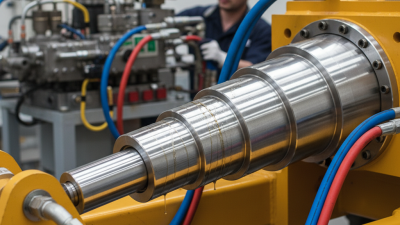
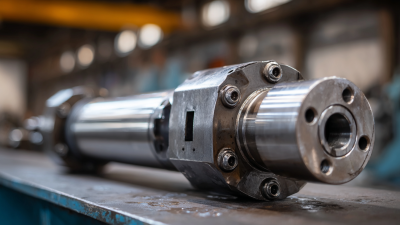
Telescopic cylinders play a vital role in various industries, providing enhanced lifting capabilities. Their mechanism consists of nested cylinders, allowing for smooth extension and retraction. This design enables high force output while minimizing the space needed for operation. According to a report by the International Fluid Power Society, telescopic cylinders can achieve a retraction ratio of up to 3:1, making them ideal for compact machine designs.
The versatility of telescopic cylinders is evident in applications ranging from construction to agriculture. They can lift heavy loads with precision and stability. Industry studies reveal that nearly 80% of construction equipment relies on these cylinders for hydraulic functions. Despite their advantages, improper maintenance can lead to reduced efficiency. Regular inspection of seals and the hydraulic fluid is essential to ensure optimal performance.
Installation can be complex, requiring expertise to adapt cylinders to specific machinery. Misalignment during installation may cause operational failures. Surveys show that nearly 15% of equipment downtime is linked to telescopic cylinder issues. Understanding the intricate workings of these cylinders is crucial for industry professionals. Regular training can enhance skills, ensuring better performance and longevity of equipment.
Why Choose Telescopic Cylinders for Your Industry Needs?
Applications of Telescopic Cylinders in Heavy Machinery
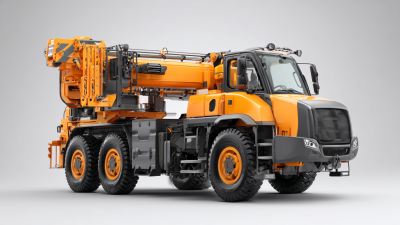
Telescopic cylinders are increasingly essential in heavy machinery. Their design allows for maximum extension and retraction, making them ideal for various industrial applications. These cylinders are commonly found in dump trucks, excavators, and material handling equipment. They provide the necessary force to lift heavy loads while maintaining a compact form.
When integrating telescopic cylinders, consider the specific requirements of your machinery. The proper selection ensures optimal performance. Ensure that the cylinder's capacity aligns with the load demands. Insufficient capacity can lead to system failures or accidents.
Tip: Regular maintenance can enhance the lifespan of telescopic cylinders. Inspect seals and lubrication more frequently to prevent leaks. Addressing minor issues early can save costs in the long run.
The applications are diverse but require careful consideration. Companies often overlook the importance of choosing the right stroke length. An inadequate stroke may limit the machine’s capabilities. Emphasize the need for correct specifications to avoid potential risks. Evaluate the load and function to ensure proper fit.
Comparative Analysis: Telescopic vs. Conventional Cylinders
Telescopic cylinders are becoming a popular choice across various industries. Their design allows for greater stroke lengths in a compact form, which means they can extend further without requiring much vertical space. According to industry reports, telescopic cylinders can provide a stroke-to-retracted length ratio of up to 4:1, depending on the model. This is significantly higher than conventional cylinders. Such efficiency can be crucial in industries where workspace is limited.
In terms of performance, telescopic cylinders often offer higher load capacity compared to standard options. This is due to their multi-stage design, which distributes load more effectively. A study indicated that using telescopic cylinders could improve load handling by approximately 30%. This gain comes with increased efficiency in operations like material handling and construction.
However, the complexity of their design may lead to more maintenance needs. Regular service checks can become necessary, adding to operational costs.
Conventional cylinders, while simpler, typically lack this versatility. They may be easier to maintain, but they often require more space. For companies evaluating their hydraulic systems, a trained technician’s perspective on these trade-offs is essential. Balancing complexity and maintenance needs can be challenging. Understanding the specific demands of your operations will guide you in making the right choice.
Factors to Consider When Selecting Telescopic Cylinders for Your Needs
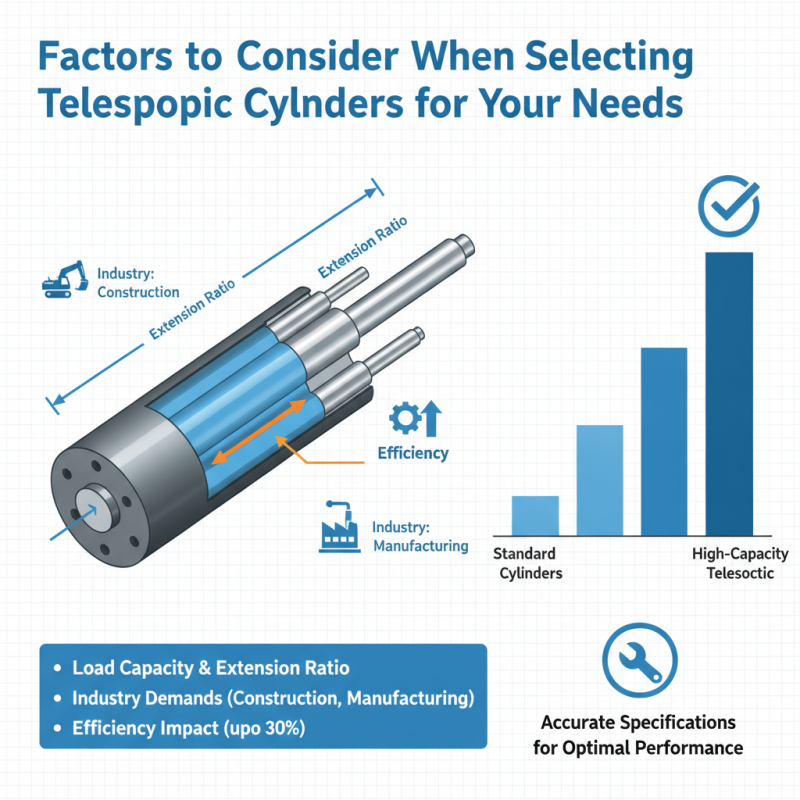
When selecting telescopic cylinders for your industry needs, several crucial factors should be at the forefront of your decision-making. First, consider the load capacity and extension ratio. Various industries, such as construction and manufacturing, often demand high lifting capabilities. According to a report by the International Hydraulic Industry Association, a cylinder's extension ratio can impact overall efficiency by up to 30%. Accurate specifications will ensure optimal performance.
Another critical factor is the environment in which the cylinders will operate. Corrosive substances or extreme temperatures can diminish cylinder life. Research published in the Journal of Hydraulic Engineering indicates that choosing the right materials can enhance longevity by approximately 25%. Understanding your operational environment can prevent premature failures and costly downtime.
**Tip:** Always check for compatibility with the hydraulic fluid used in your system. It can greatly affect the performance.
Maintenance requirements also play a significant role. Regular checks and timely repairs can extend a cylinder's lifespan significantly. Inadequate maintenance might lead to inefficient operation and unplanned expenses. Failures often happen from neglect, which is costly.
**Tip:** Create a maintenance schedule to ensure cylinder reliability. Regular observation can avoid unforeseen issues.