2026 How to Choose the Best Hydraulic Cylinder For Excavator?
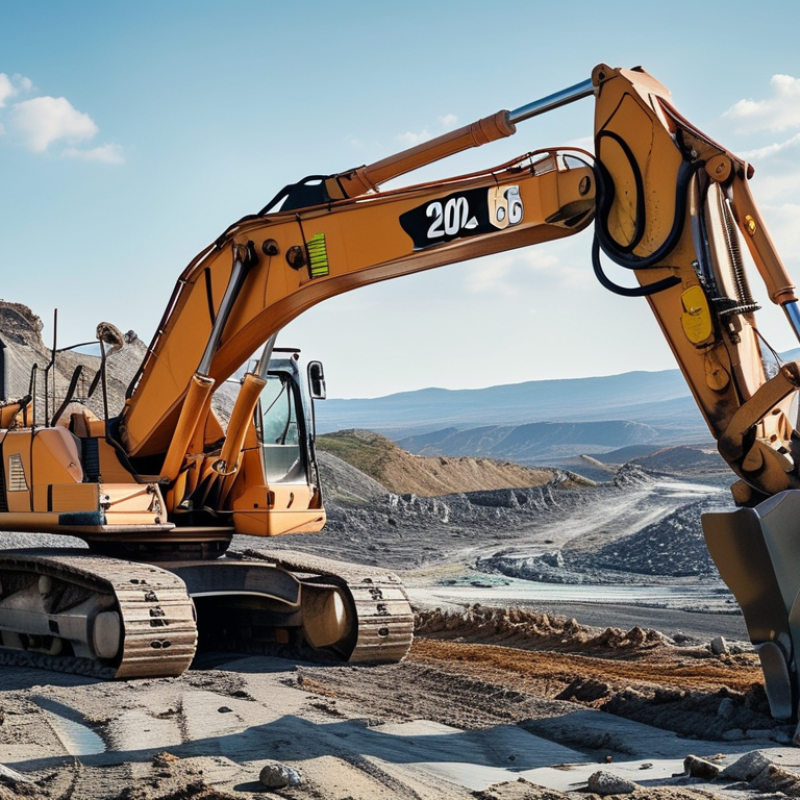
When choosing a hydraulic cylinder for excavators, expertise is essential. Renowned industry expert James T. Reynolds once stated, “The right hydraulic cylinder can enhance performance and efficiency.” This highlights the importance of selecting the appropriate hydraulic cylinder for excavators.
Hydraulic cylinders play a crucial role in excavators. They provide the necessary force for lifting and moving heavy loads. Knowing the specific requirements of your machine is vital. Factors such as size, pressure ratings, and material strength must be considered. Small oversights can lead to inefficiencies or increased maintenance costs.
Ultimately, selecting the right hydraulic cylinder for excavators demands careful thought. Each job may require different specifications. Understanding your specific needs can prevent potential issues in the field. An informed choice will lead to better performance and longevity of your equipment.
Understanding Hydraulic Cylinders in Excavators
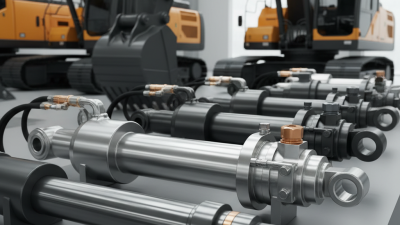
Hydraulic cylinders are vital components in excavators. They convert hydraulic energy into mechanical motion. Understanding their role helps you make informed choices. Different types are available, each with unique functions and specifications. Factors such as size, stroke length, and pressure rating are crucial. Matching these parameters to your excavator's needs is essential.
Regular inspections are necessary to ensure optimal performance. Look for signs of wear and tear. Check seals and rods for leaks. Small issues can lead to bigger problems if overlooked. It's also important to consider the environment in which the cylinder operates. Dust, mud, and extreme temperatures can impact its longevity. Hydraulics can fail without proper care, affecting productivity.
Finding the right hydraulic cylinder requires careful thought. Evaluate your excavator's specifications and workload requirements. Keep in mind that sometimes, less expensive options may not perform as well. Budget constraints can drive decisions, but quality should not be sacrificed. Aim for reliability. Research, ask experts, and choose wisely.
2026 How to Choose the Best Hydraulic Cylinder For Excavator?
This chart displays the average load capacity (in tons) of different types of hydraulic cylinders used in excavators, helping you understand the options available in the market.
Key Factors to Consider When Selecting Hydraulic Cylinders
When selecting hydraulic cylinders for excavators, several key factors should be considered. One primary aspect is the cylinder's bore size. A larger bore usually provides more lifting capacity but may increase weight. Ensure that the bore aligns with your excavator's specifications.
Another critical factor is the cylinder's stroke length. It determines the range of motion. An optimal stroke length enhances efficiency but may limit the working environment. Always inspect the job site to assess available space and operational needs.
The construction material and sealing mechanism are also vital. High-quality materials enhance durability. Seals must withstand extreme conditions to prevent leakage. Regular maintenance checks will extend the hydraulic cylinder's lifespan. However, choosing the best option may require trial and error. An ideal cylinder balances performance and cost-effectiveness.
Types of Hydraulic Cylinders Commonly Used in Excavators
When selecting a hydraulic cylinder for an excavator, understanding the types available is crucial. Typically, excavators use two main types of hydraulic cylinders: double-acting and single-acting cylinders. Double-acting cylinders operate in both directions and provide greater power. They are ideal for tasks requiring continuous force in both the extension and retraction phases. On the other hand, single-acting cylinders only apply force in one direction. They are simpler and often used for tasks where gravity assists the retraction.
Another important type is the telescopic cylinder. This design allows for extended reach while maintaining a compact size when not in use. These cylinders are commonly found in applications requiring high lift capacities. However, they can be more complex and require careful maintenance. Understanding the specific needs of your excavator is essential. Not all excavators will benefit from the same type of cylinder. It’s important to analyze the intended tasks, weight loads, and environmental factors. This ensures optimal performance and longevity of the hydraulic system. While many contractors may overlook this detail, such oversights could lead to inefficiencies and costly repairs down the line.
How to Assess Cylinder Performance and Specifications
When selecting a hydraulic cylinder for an excavator, understanding cylinder performance is crucial. Evaluating working pressure is a starting point. Most hydraulic systems operate around 3,000 to 5,000 psi. Opting for a cylinder that can handle higher pressures ensures durability. According to industry reports, cylinders designed for extreme conditions often feature steel rods treated for enhanced wear resistance. This can extend the life of your equipment.
Next, consider the stroke length and bore size. The right dimensions impact digging efficiency. For example, a cylinder with a 4-inch bore can produce substantial force. Yet, if it lacks adequate stroke length, it may limit your operational range. Sizing must align with the intended applications of the excavator. A mismatch can lead to frequent failures.
Installation practices are equally vital. Even the best hydraulic cylinders can underperform if installed incorrectly. Data shows that improper alignment can lead to premature wear. Monitoring performance metrics regularly, such as rod movement and fluid levels, helps in preempting issues. Regular maintenance checks ensure the cylinder functions effectively and safely, enhancing reliability on job sites.
Maintenance Tips for Hydraulic Cylinders in Excavators
Maintaining hydraulic cylinders in excavators is vital for optimal performance. Regular inspection can prevent costly repairs. According to industry reports, nearly 30% of excavator downtime is due to hydraulic system failures. A small leak can escalate quickly, leading to larger issues.
Inspect seals and fittings regularly. Check for any signs of wear or damage. If a leak is found, address it immediately. Remember, even minor leaks can indicate significant problems. Use a torque wrench on bolts to ensure they are tightened to specifications. This simple action can prevent premature wear.
Hydraulic fluid levels should be monitored closely. Low fluid can lead to overheating and system damage. Replace fluid according to the manufacturer’s recommendations. Consider using a filtration system to keep the fluid clean. Dirty hydraulic fluid can cause excessive wear on components, reducing their lifespan.
Regular maintenance of hydraulic cylinders enhances their reliability. Schedule routine checks every six months. This practice can save money in the long run. Take the time to reflect on your maintenance schedule. Keeping a thorough log of inspections can help identify patterns in wear or failure.
2026 How to Choose the Best Hydraulic Cylinder For Excavator? - Maintenance Tips for Hydraulic Cylinders in Excavators
| Dimension |
Specifications |
Maintenance Tips |
| Bore Diameter |
50 mm to 300 mm |
Regularly check for wear and tear. |
| Rod Diameter |
25 mm to 100 mm |
Inspect seals for leakage. |
| Stroke Length |
300 mm to 1200 mm |
Ensure proper lubrication of moving parts. |
| Operating Pressure |
Up to 350 bar |
Monitor pressure levels regularly. |
| Material |
Steel, Aluminum |
Check for corrosion and rust. |
| Sealing Type |
Nitrile, Urethane |
Replace seals if worn out. |