What is a Dump Truck Hydraulic Hoist and How Does It Work?
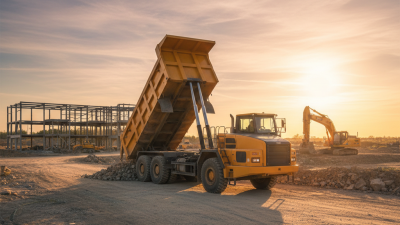
The "Dump Truck Hydraulic Hoist" is a vital component in the hauling industry. Renowned expert John Williams, a mechanical engineer with over 20 years of experience, highlights its importance by stating, "The efficiency of a dump truck greatly depends on its hydraulic hoist." This powerful system enables trucks to lift and unload heavy materials with ease.
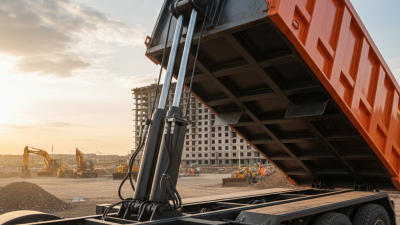
A Dump Truck Hydraulic Hoist operates using pressurized hydraulic fluid. This fluid moves through cylinders, allowing the dump bed to raise and lower seamlessly. However, issues can arise if the hydraulic system is not maintained properly. Regular inspections are necessary to ensure safe and efficient operations. Ask any industry professional, and they’ll emphasize the need for routine checks.
Despite its widespread use, some challenges persist in the field. Operators may encounter problems with leaks and sluggish performance. Addressing these issues promptly can prevent accidents and improve productivity. Understanding the mechanics of a dump truck hydraulic hoist is crucial for anyone in this field. Ignoring these details can lead to costly errors and downtime.
What is a Dump Truck Hydraulic Hoist?
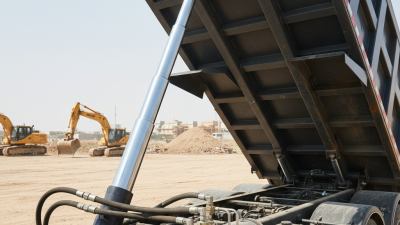
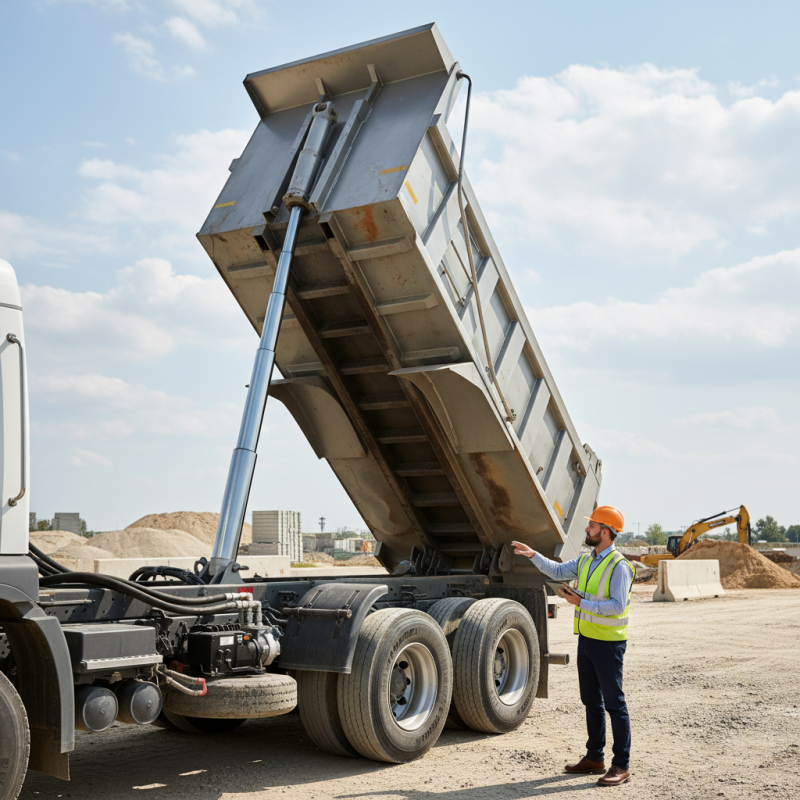
A dump truck hydraulic hoist is a vital component in the world of construction and transport. It allows the truck to lift and unload heavy materials with ease. The hoist uses hydraulic power to raise the bed of the truck, facilitating the dumping of contents. This mechanism makes work more efficient.
When a hydraulic hoist is engaged, hydraulic fluid is pumped into a cylinder. This action raises the bed, often to an angle of 50 degrees or more. The dumped materials can flow out easily due to gravity. However, sometimes the hoist may fail to lift due to blockages or insufficient hydraulic fluid. Operators need to check for these issues regularly.
The design of hydraulic hoists varies. Some are more robust, suited for heavy materials. Others are lighter, designed for tasks like transporting sand or gravel. Monitoring their condition is crucial. Neglecting maintenance can lead to performance issues. A well-functioning hoist enhances productivity and safety on the job site, while a malfunction can halt operations altogether.
What is a Dump Truck Hydraulic Hoist and How Does It Work?
| Component |
Description |
Function |
| Hydraulic Cylinder |
A cylindrical component that uses hydraulic fluid to create motion. |
Raises and lowers the dump bed of the truck. |
| Hydraulic Pump |
Creates hydraulic pressure to move fluid in the system. |
Transfers fluid to the hydraulic cylinders. |
| Control Valve |
Regulates the flow of hydraulic fluid. |
Controls the direction of the hydraulic fluid to lift or lower the dump bed. |
| Hydraulic Fluid |
A specially formulated liquid that transmits power in hydraulic systems. |
Transports energy to the hydraulic components to operate effectively. |
| Dump Bed |
The compartment that carries the load being transported. |
Tilts to unload materials when raised through hydraulic action. |
Key Components of a Hydraulic Hoist System
A dump truck hydraulic hoist is a vital component in transporting materials. It allows for efficient unloading by lifting the truck bed to an angle. The key components of a hydraulic hoist system include the hydraulic pump, cylinder, and control valves. These elements work together to create precise lifting and lowering actions.
The hydraulic pump generates pressure. This pressure moves hydraulic fluid through hoses. The fluid then enters the cylinder, pushing the piston and lifting the truck bed. Control valves regulate the flow, ensuring smooth operation. Reports suggest that hydraulic systems can lift loads exceeding 15 tons with ease, depending on specifications.
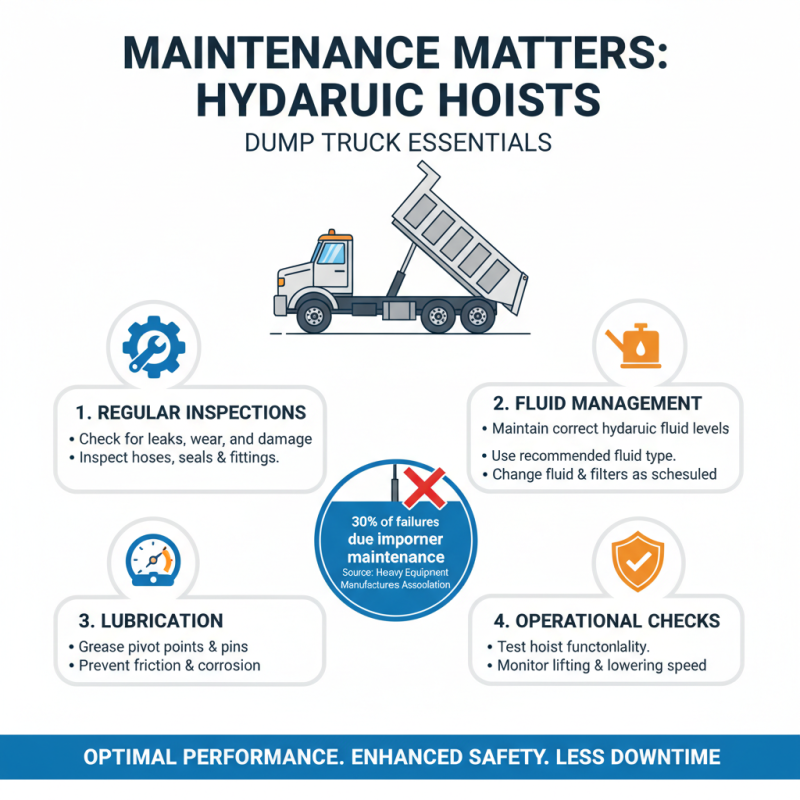
Tips: Regularly check hydraulic fluid levels. This ensures optimal performance. Inspect hoses for wear or leaks. Addressing these issues promptly can prevent failure.
Improper maintenance can lead to serious issues. Unexpected breakdowns can delay projects. Understanding the components is crucial for the longevity of the system. Knowledge can save time and money. When considering improvements, focus on reliable components and high-quality fluids. Prudent choices lead to better efficiency and safety in operations.
Understanding the Key Components of a Dump Truck Hydraulic Hoist System
This chart illustrates the importance levels of key components in a dump truck hydraulic hoist system, with values ranging from 1 (least important) to 10 (most important). The hydraulic cylinder is the most crucial component, followed by the pump and fluid reservoir.
How Hydraulic Mechanics Operate in Dump Trucks
Hydraulic mechanics play a crucial role in the functionality of dump trucks. These vehicles rely on hydraulic hoists to lift and lower their cargo beds. The basic principle involves a system of hydraulic fluid, which transfers force to operate a piston. When the fluid pressure is applied, the piston pushes the cargo bed upward. This can lift heavy loads, sometimes exceeding 14 tons, with minimal effort. A recent industry report indicated that hydraulic systems can increase efficiency by up to 30% compared to mechanical systems.
Maintenance is vital for these hydraulic systems. Over time, seals can wear, causing fluid leaks. A 2019 study showed that nearly 10% of hydraulic system failures in dump trucks were due to improper maintenance. Operators must regularly check fluid levels and inspect hoses for wear. Small issues can lead to significant problems, like a complete hoist failure. Inadequate maintenance not only impacts performance but also raises safety concerns.
While hydraulic systems are efficient, they are not flawless. Pressure fluctuations can occur, affecting lifting ability. Reports have noted that 15-20% of operators experienced issues with inconsistent lifting. Such fluctuations highlight the necessity for proper training and understanding of hydraulic mechanics. Comprehensive operator training can reduce accidents and extend the lifespan of the hydraulic hoist system. By prioritizing both care and knowledge, the overall performance of dump trucks can improve significantly.
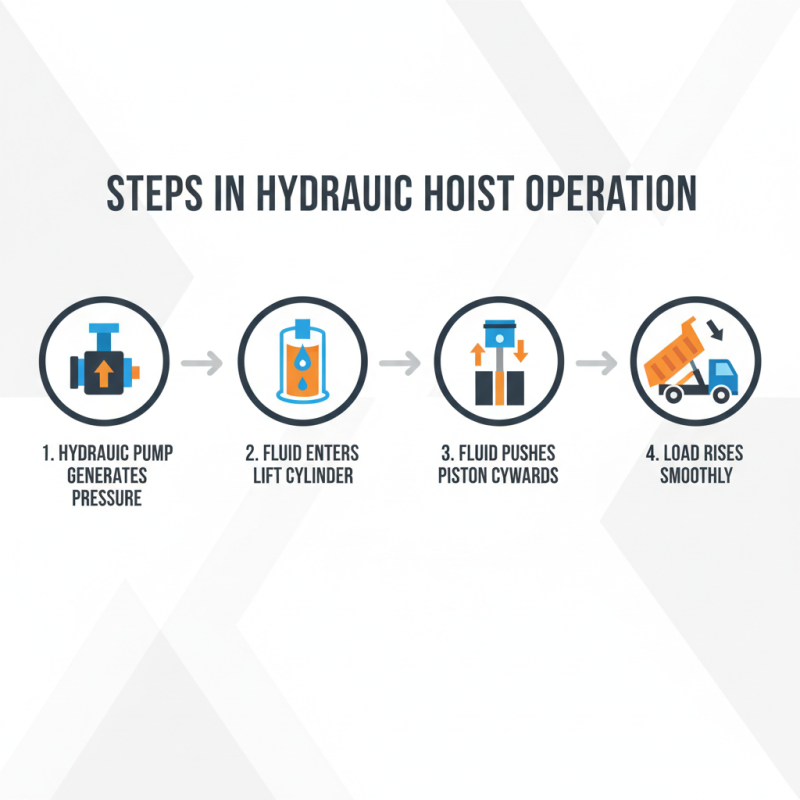
Steps in the Operation of a Hydraulic Hoist
A hydraulic hoist in a dump truck uses fluid pressure to lift heavy loads. The process begins when the hydraulic pump generates pressure. This pressure pushes hydraulic fluid into the lift cylinder. As the fluid enters, it forces the piston upwards. The load begins to rise smoothly and efficiently.
However, issues can arise during operation. Leakages in hydraulic lines can lead to pressure loss. This may result in the hoist failing to lift properly. Operators should regularly inspect hoses and connections. Regular maintenance is crucial for safety and functionality.
Once the load reaches the desired height, the hoist is lowered. This is controlled by releasing the pressure. The fluid flows back into the reservoir, allowing the piston to descend. Care must be taken during this stage, as improper control can lead to accidents. According to industry reports, nearly 20% of hydraulic system failures are due to operator error. Proper training can significantly reduce these risks.