2026 How to Choose the Best Dump Truck Hydraulic Hoist?
In the construction and transportation industries, the choice of a Dump Truck Hydraulic Hoist is crucial. According to a recent industry report, the demand for hydraulic hoists has increased by 15% in the last five years. This growth is driven by innovations in safety and efficiency. Operators and fleet managers must ensure they select a hoist that meets their specific needs.
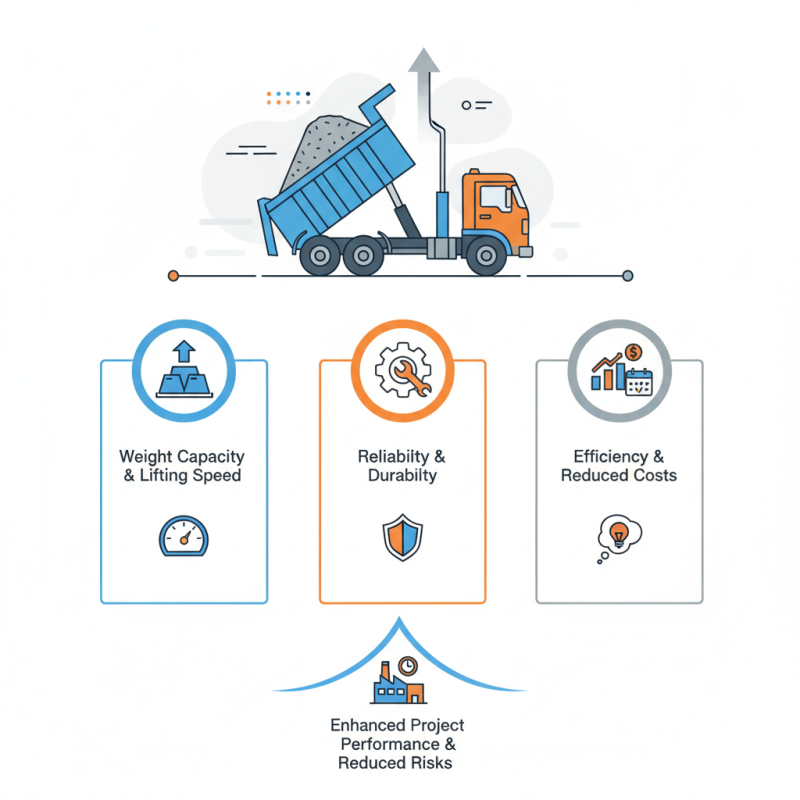
When evaluating a Dump Truck Hydraulic Hoist, consider the weight capacity and lifting speed. A hoist that can handle heavier loads helps minimize downtime. Nonetheless, investing in a robust system does not always equate to improved performance. Some models may require frequent maintenance, potentially leading to unexpected costs. Understanding these nuances is critical for making an informed decision.
Moreover, the importance of reliability cannot be overstated. A hoist's durability directly impacts operational efficiency. In one case study, a company faced a 20% productivity loss due to hoist failures. Such statistics highlight the need for thorough research and expert advice. Ultimately, a well-chosen Dump Truck Hydraulic Hoist can enhance project performance and reduce long-term operational risks.
Understanding the Different Types of Dump Truck Hydraulic Hoists
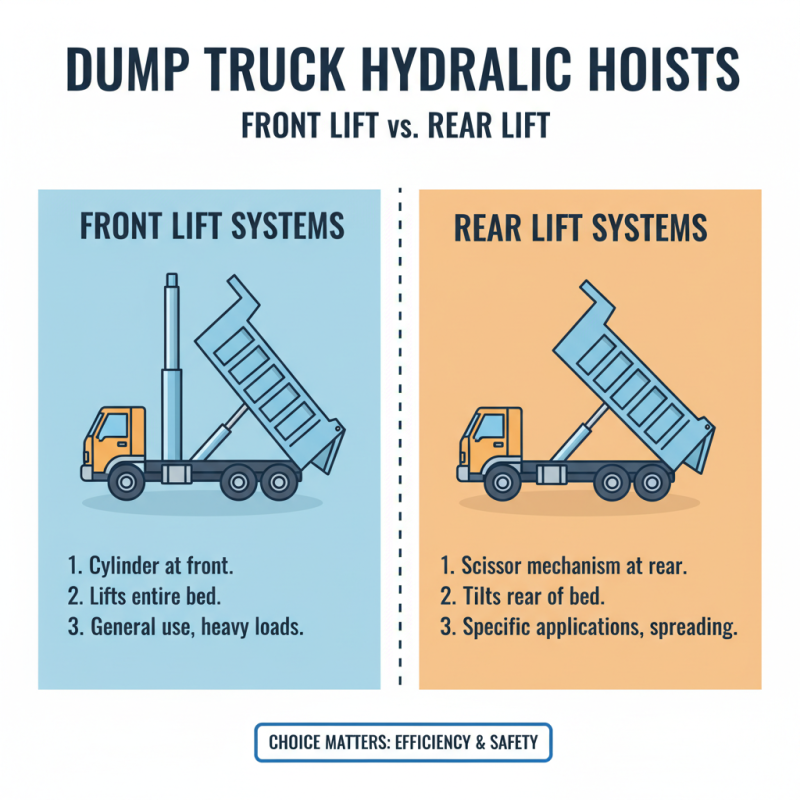
When selecting a hydraulic hoist for a dump truck, understanding the various types is essential. The right choice can impact efficiency and safety. Broadly, there are two main types: front lift and rear lift systems. Each type serves distinct applications and has unique characteristics.
Front lift hoists generally provide faster lift cycles. They are ideal for smaller loads and tighter spaces. However, they might struggle with heavier payloads. On the other hand, rear lift hoists can support larger loads more effectively. According to a recent industry report, around 70% of dump trucks utilize rear lift hydraulic hoists due to their durability in heavy-duty applications.
Materials used also matter. Steel is common for strength, but aluminum is lighter, enhancing fuel efficiency. Some companies emphasize the importance of proper maintenance. Studies show that regular servicing can extend a hoist's lifespan by over 30%. Choosing the right hydraulic hoist involves careful consideration of the intended use, load capacity, and material. A hoist that’s too weak for the task can lead to breakdowns. Recognizing these aspects can lead to better decision-making.
Key Performance Metrics for Selecting the Right Hydraulic Hoist
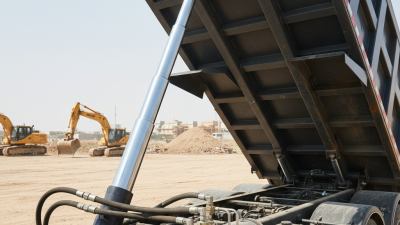
When selecting a hydraulic hoist for a dump truck, key performance metrics play a crucial role.
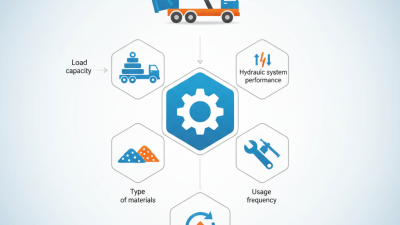
Load capacity is one of the most vital factors. A typical hydraulic hoist's load capacity can range from 3 to 20 tons.
Choosing the right capacity ensures safe operation and prevents damage to the hoist or truck. According to industry reports, using a hoist with inadequate capacity can result in failures, leading to costly downtime and repairs.
Another important metric is the hoist's lift time. Efficient models can lift loads within 15 to 30 seconds, impacting overall productivity.
Faster lift times can reduce operational costs and improve workflow.
However, it is essential to balance speed with mechanical soundness. A hoist operating too quickly might compromise safety.
Hydraulic hoists should also be evaluated for durability. Research shows that hoists with reinforced frames and quality seals last longer and require less maintenance, which can save time and money.
Consider the installation process as well. Some hydraulic hoists are complicated to install and require expert help. This can increase initial costs.
Simpler models may reduce installation time but might not have the features you need. User feedback is vital when assessing ease of use and installation.
Performance metrics should be weighed against user experience to make an informed choice. The goal is to find a balance that enhances safety, efficiency, and longevity.
Evaluating Load Capacity: Industry Standards and Specifications
When selecting a dump truck hydraulic hoist, understanding load capacity is crucial. Load capacity determines how much weight a hoist can safely lift. Industry standards often classify load capacities in different tiers, such as light-duty, medium-duty, and heavy-duty categories. This classification affects how and where the hoist can be utilized. For instance, a construction site requires a heavy-duty hoist for transporting larger materials. A simple miscalculation here can lead to accidents.
To evaluate the load capacity properly, refer to industry specifications. These specifications detail the hoist's capabilities, including maximum lift height and potential lifting speed. Always check if the hoist meets the minimum safety requirements outlined in the relevant standards. Failure to comply with these standards can expose users to hazards like equipment failure or workplace injuries. Reflecting on your needs and ensuring that the hoist meets them is essential for safety and efficiency.
Many overlook the importance of considering the total weight of the load. It’s not just about what you’re lifting but also about how the weight is distributed. Uneven loads can affect the hoist’s performance, leading to potential risks. Understanding the intricacies of load capacity ensures that your operations run smoothly. Evaluate your choices carefully to optimize both safety and efficiency.
Hydraulic Hoist Material Composition and Durability Considerations
When selecting a hydraulic hoist for a dump truck,
material composition is critical. Common materials include steel and aluminum.
Steel offers durability and strength but can be prone to rust if not treated properly.
Aluminum is lighter and resistant to corrosion but might not support heavy loads as effectively.
Evaluating the weight capacity based on material type is essential.
Durability also hinges on the hoist's design and construction quality.
Look for features such as reinforced seams and reliable hydraulic systems.
These factors contribute to the hoist's lifespan in tough conditions.
A hoist should withstand repeated use, especially in challenging environments.
Consider the environmental impact on material choice.
Exposure to harsh weather can affect durability.
Regular maintenance is crucial, regardless of material.
Neglect can lead to significant wear and potential failures.
Being aware of the limitations of both materials can help you make an informed decision.
Future Trends in Dump Truck Hydraulic Hoist Technologies and Innovations
The future of dump truck hydraulic hoist technologies is rapidly evolving. Innovative designs focus on enhancing efficiency and durability. One trend is the integration of lightweight materials. These materials help reduce the overall vehicle weight. This improvement can lead to better fuel efficiency.
Another key development is the incorporation of smart technology. Sensors and automation are becoming more common. They allow for real-time monitoring of the hydraulic system. This offers valuable data for maintenance and performance improvement. However, reliance on technology raises questions. What if these systems fail? Operators need to remain vigilant and informed.
Sustainability is also a crucial aspect. Many manufacturers are exploring eco-friendly hydraulic fluids and efficient designs. These changes aim to lessen the environmental impact. Yet, adapting to new regulations can be challenging. Companies must stay proactive in their approach. Balancing innovation with traditional methods may be the key.