index-bg-11

2026 How to Choose the Best Hydraulic Cylinder For Forklift?

Choosing the right hydraulic cylinder for forklift applications can significantly impact efficiency and safety. A hydraulic cylinder for forklift plays a crucial role in lifting and lowering heavy loads. Selecting the wrong cylinder may lead to mechanical failures or decreased productivity.

When considering a hydraulic cylinder for forklift, pay attention to specific requirements. Adaptability to various weight capacities is vital. You should also examine the dimensions and mounting options. Each detail contributes to overall performance.

However, it's easy to overlook certain features. For instance, the quality of seals might seem minor, but they can affect durability. Missteps can lead to costly repairs or downtimes. Thus, understanding the intricacies of hydraulic cylinder for forklift selection is essential for optimal operation.
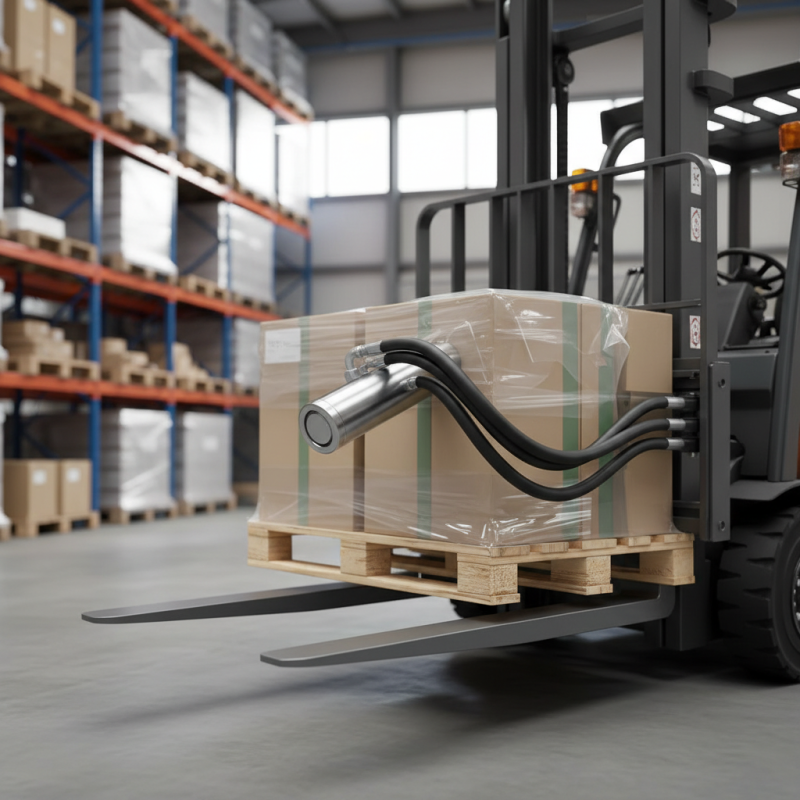
2026 How to Choose the Best Hydraulic Cylinder For Forklift?

Understanding Hydraulic Cylinders and Their Functionality

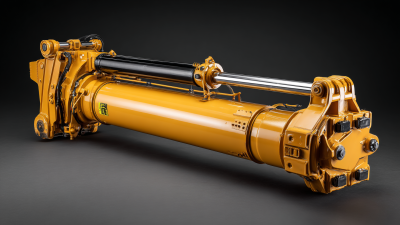
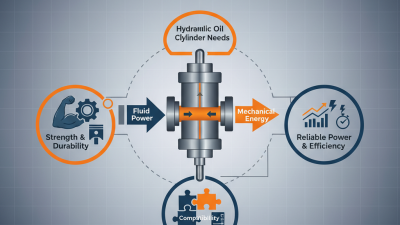
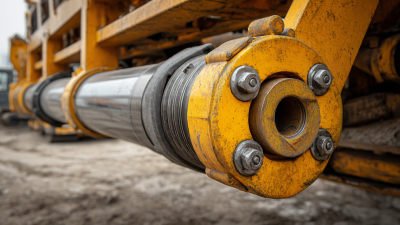
Hydraulic cylinders are crucial for forklifts, offering power and control. They convert hydraulic energy into mechanical force. This function is vital for lifting heavy loads. The basic components include the cylinder barrel, piston, and seals. Each part must work perfectly for optimal performance.

Understanding how cylinders function can help you choose wisely. A well-sized cylinder will provide the necessary lift for specific loads. Consider the working pressure, stroke length, and mounting style. Miscalculating these factors can lead to inefficiencies or even accidents. It’s essential to evaluate the forklift's application before making a decision.

Additionally, maintenance plays an important role. Regular checks can prevent leaks and performance drops. Worn seals can cause pressure issues, leading to ineffective operation. Learning about these details can make a significant difference in your choice. Each hydraulics system is unique, and a one-size-fits-all approach often fails.

2026 How to Choose the Best Hydraulic Cylinder For Forklift? - Understanding Hydraulic Cylinders and Their Functionality

Feature Description Considerations
Type Single-acting, Double-acting Choose based on application needs.
Bore Diameter Size of cylinder opening Affects lifting capacity.
Stroke Length Distance the piston moves Depends on operational requirements.
Pressure Rating Maximum operational pressure Must match the forklift's specifications.
Material Steel, Aluminum, etc. Consider environmental factors.
Mounting Style Pin-mounted, Welded, etc. Ensure compatibility with forklift design.
Seal Type Standard, Heavy-duty seals Select based on operational environment.

Key Factors to Consider When Selecting Hydraulic Cylinders for Forklifts

2026 How to Choose the Best Hydraulic Cylinder For Forklift?

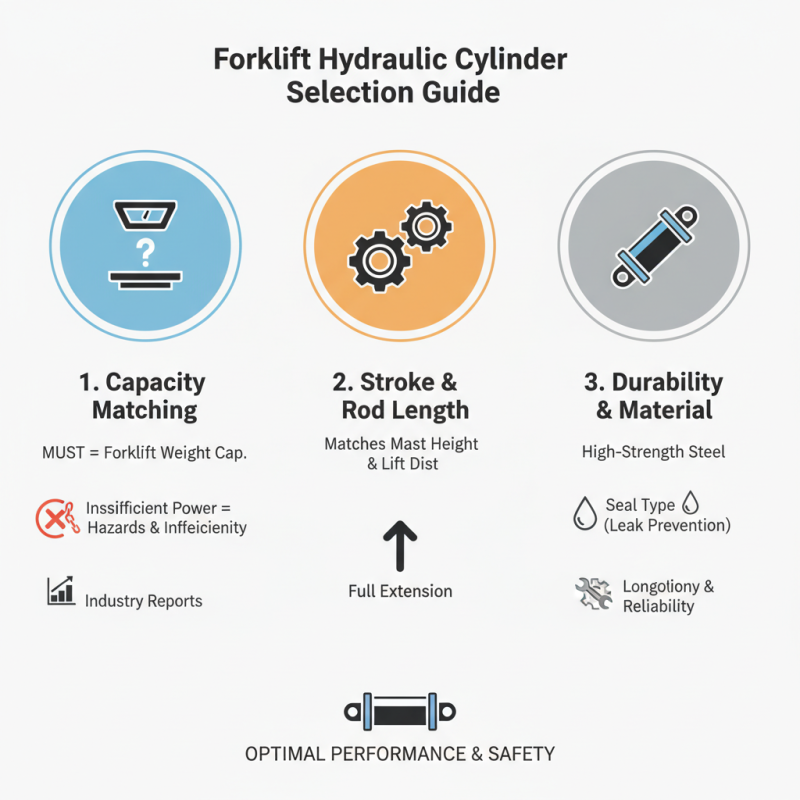
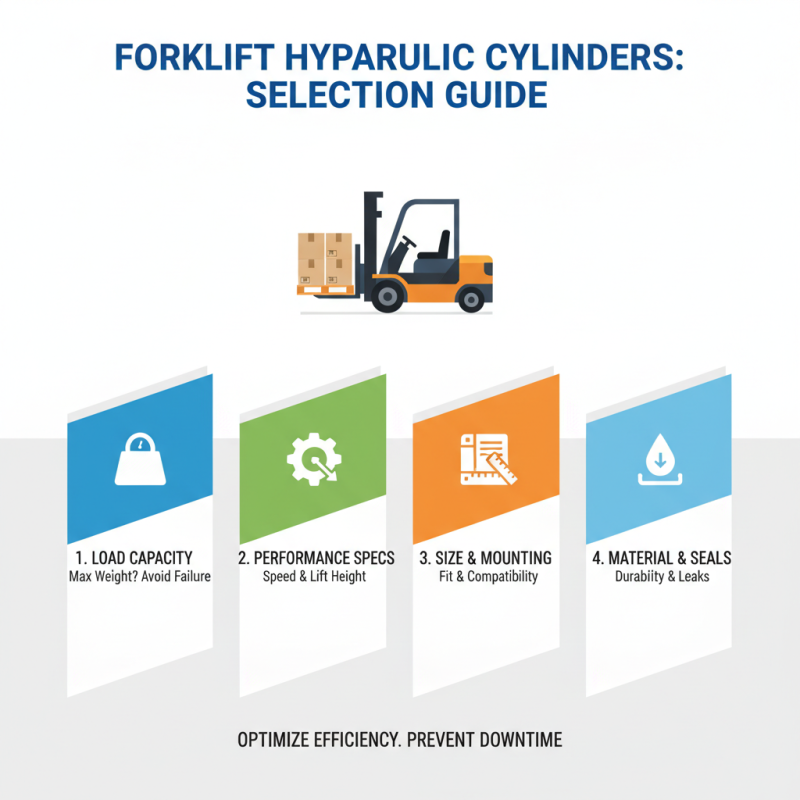
When selecting hydraulic cylinders for forklifts, several key factors must be considered. The capacity of the hydraulic cylinder is critical. It should match the weight capacity of the forklift. According to industry reports, a miscalculation can lead to inefficiency and safety hazards. A cylinder with insufficient lifting power can compromise operations.

Another element is the cylinder’s stroke length. A proper stroke length ensures that the forklift can lift loads adequately without straining the system. Industry studies indicate that incorrect stroke lengths often lead to equipment fatigue. This can shorten the lifespan of the hydraulic components.

Additionally, consider the cylinder's mounting style. The right mounting type must align with the forklift design. Not all cylinders fit every model. Careful assessment here is vital. Hydraulics systems must operate smoothly. Faulty choices can lead to system failures. Operators must evaluate these factors closely and avoid overlooking them. The right cylinder enhances performance and ensures safety in a busy warehouse setting.

Types of Hydraulic Cylinders Suitable for Different Forklift Models

When selecting a hydraulic cylinder for a forklift, understanding the types available is crucial. Each forklift model requires specific hydraulic components to function optimally. For instance, basic forklifts often utilize single-acting cylinders. These cylinders only apply force in one direction. They are straightforward and suited for lifting tasks.

Conversely, advanced forklifts may need double-acting cylinders. These allow for movement in both directions. They provide greater control and efficiency but can be more complex. It's essential to ensure compatibility with your forklift's design. Mismatched hydraulic cylinders can lead to operational issues.

Using improper hydraulic cylinders may cause accidents. Checking specifications is vital before making a choice. Always consult the manufacturer's recommendations. Remember, choosing the right type is not just about functionality. It also affects safety and productivity in your operations. Take the time to analyze your needs. Consider factors like load capacity and working environment. Being thorough can prevent costly mistakes later.

Evaluating Performance Specifications for Optimal Cylinder Selection

2026 How to Choose the Best Hydraulic Cylinder For Forklift?

Choosing the right hydraulic cylinder for a forklift is crucial for efficiency. Evaluating performance specifications can seem overwhelming. It’s easy to overlook key details that may affect operations. Consider the load capacity first. How heavy are the loads you typically handle? Knowing this helps in selecting a cylinder that won’t fail under pressure.

Next, assess the stroke length. This determines how far the cylinder can move. Depending on your specific applications, a longer or shorter stroke may be needed. It's often tempting to stick with what’s familiar. However, thinking outside the box can lead to more effective solutions.

Check the pressure ratings. How much pressure is feasible for your needs? Overestimating can lead to breakdowns or inefficiencies. There’s a balance to strike here, and it’s easy to misjudge. Finally, don't ignore the environmental factors. Will it be exposed to dust or moisture regularly? Considering these aspects will improve your selection process. Reflecting on these criteria can lead to better decisions.

Maintenance Tips for Enhancing Hydraulic Cylinder Longevity and Efficiency

Maintaining hydraulic cylinders is crucial for optimal forklift performance. Regular checks can prevent costly repairs. A simple visual inspection can reveal issues like leaks or corrosion. Don't ignore small signs of wear. They can lead to bigger problems later on.

One straightforward tip is to keep the hydraulic fluid clean. Contaminated fluid can damage seals and result in cylinder failure. Change the fluid regularly to avoid this. Another useful tip is to ensure all connections are tight. Loose fittings can lead to leaks and reduced efficiency. Regularly tightening them can save time and money.

Additionally, consider the environment where your forklift operates. Dust, dirt, and extreme temperatures can impact cylinder performance. Using protective covers can minimize these risks. Neglecting proper maintenance might seem minor at first, but it can lead to serious downtime. Pay attention to details and stay proactive.

Hydraulic Cylinder Performance and Maintenance Analysis