In 2026, buying a Hydraulic Oil Cylinder requires careful consideration and insight. As industries evolve, so do the technologies behind hydraulic systems. Buyers face a complex landscape of options, making informed choices essential. Whether for construction, agriculture, or manufacturing, selecting the right cylinder impacts performance, safety, and efficiency.
Understanding the specifications is crucial. Hydraulic Oil Cylinders come in various designs, sizes, and configurations. Each application needs a tailored solution. Misjudging the requirements can lead to costly failures. For instance, overestimating load capacities may cause operational hazards or productivity losses. This emphasizes the need for thorough research and expert advice.
Accessing reliable information can be challenging. Buyers should seek reputable sources, including manufacturers and industry professionals. However, not all advice is created equal. Skepticism may be necessary, as some recommendations may lack practical grounding. Balancing knowledge with critical thinking is key to successful investments in Hydraulic Oil Cylinders.
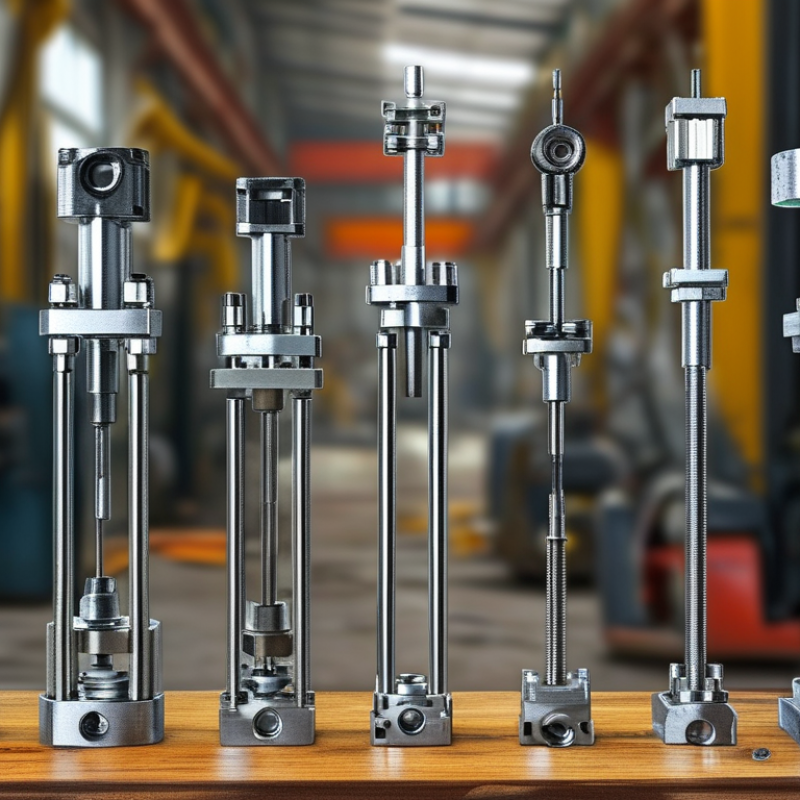
Understanding hydraulic oil cylinders is crucial for buyers in 2026. These cylinders are essential in various industries, from manufacturing to construction. Their efficient operation directly impacts productivity. According to research by the International Fluid Power Society, hydraulic systems account for about 30% of machinery failures. This highlights the importance of selecting the right hydraulic oil cylinder.
When considering a purchase, focus on compatibility with your machinery. Different models are designed for specific applications. Verify that the cylinder's specifications match your system's requirements. Experts suggest conducting a thorough analysis of the operating conditions, such as pressure and temperature. This can prevent potential issues down the line.
Tip: Always check for certifications. Certified products often meet industry standards, ensuring safety and reliability. Also, compare maintenance requirements of various models. Maintenance impacts longevity; hence, a model that demands less frequent servicing might be more beneficial in the long run. Investing in quality hydraulic cylinders can yield better operational efficiency and lower costs over time.
Choosing the right hydraulic oil cylinder involves several key factors. Start with the application. Understand what you need the cylinder to do. Different tasks require different cylinder specifications. Know the weight and load capacity. Overestimating can lead to equipment failure. Underestimating can strain the system.
Material quality matters. Hydraulic oil cylinders made from high-grade steel or aluminum perform better under pressure. They resist wear and have a longer life. Check for any certifications that ensure quality standards. Look for design features that enhance performance, like improved seals and compact sizes.
Tips: Always review the specifications carefully. Check for compatibility with your existing systems. Think about the maintenance requirements too. Some cylinders are easier to service, which can save you time. Consider warranties from suppliers to gauge reliability. A good warranty indicates confidence in the product.
Proper maintenance of hydraulic cylinders is crucial for their longevity. Regularly inspecting seals and components is essential. Minor leaks can lead to major failures if ignored. Check for any signs of wear or damage. Use the right lubricants to keep moving parts functioning smoothly.
Maintaining an optimal fluid level is also important. Low levels increase strain on the cylinder, which can cause overheating and premature wear. Clean the cylinder regularly to avoid dirt accumulation. Contaminants can clog the system, leading to costly repairs. It’s important to note that not all hydraulic oils are created equal.
Consider the environment in which the cylinder operates. Temperature fluctuations can affect hydraulic oil viscosity. Using the wrong type can reduce efficiency. Keeping a maintenance log can help track performance over time. This proactive approach allows for timely interventions. Remember, small issues might indicate larger problems lurking beneath the surface.
When purchasing hydraulic oil cylinders, buyers often overlook critical aspects. One common mistake is failing to assess their specific application needs. Each project has unique requirements. Choosing a cylinder that does not match these needs can lead to inefficiency. Understand the load capacity, stroke length, and mounting options before making a decision.
Another pitfall is neglecting quality. Some buyers focus solely on price, aiming for the cheapest option. This approach can compromise reliability and performance. Look for cylinders that meet industry standards. Research manufacturer credentials to ensure their products are tested and certified.
Buyers should also avoid inadequate maintenance planning. A hydraulic cylinder requires regular checks in oil levels and potential wear. Ignoring this can lead to unexpected failures. Documenting maintenance schedules can help in maintaining optimal functionality. Understanding these pitfalls ensures a more informed purchase.
| Tip | Description | Common Mistake |
|---|---|---|
| Understand Your Needs | Assess the load requirements and application before choosing a cylinder. | Ignoring specific application requirements. |
| Check Compatibility | Ensure the cylinder is compatible with your hydraulic system. | Purchasing cylinders without checking system compatibility. |
| Choose the Right Material | Select materials based on environmental conditions they will face. | Overlooking environmental factors affecting material durability. |
| Evaluate Performance Specifications | Review load capacity, stroke length, and pressure ratings. | Neglecting to check performance ratings. |
| Review Maintenance Requirements | Understand the maintenance schedule to ensure longevity. | Failing to consider ongoing maintenance needs. |
| Seek Professional Advice | Consult experts or dealers for recommendations. | Not seeking advice and making uninformed decisions. |
| Consider Manufacturing Quality | Assess the manufacturing processes and standards of the cylinder. | Choosing lower-quality products based solely on price. |
| Inspect for Defects | Thoroughly check for any visible defects or damages before purchase. | Purchasing without a thorough inspection. |
| Review Warranty Policies | Understand the warranty policy in case of defects or failures. | Forgetting to check warranty details can lead to extra costs. |
| Assess Total Cost of Ownership | Consider all costs including maintenance and operation. | Focusing only on the initial purchase price. |
In 2026, hydraulic oil cylinder technology is set to evolve significantly. The demand for more efficient and reliable systems is driving innovation. Buyers should pay attention to emerging trends that enhance performance and sustainability.
One notable trend is the incorporation of smart technology. Sensors will provide real-time data on pressure, temperature, and overall system health. This can alert users to potential issues before they become significant problems. Consider investing in cylinders that offer such features. They increase reliability but also require a higher upfront cost.
Another trend to watch is the development of bio-based hydraulic fluids. These fluids are more environmentally friendly, reducing the ecological impact of hydraulic operations. Buyers may find options that meet both performance standards and sustainability goals. When selecting cylinders, ensure they are compatible with these new fluids.
Finally, always consult technical resources when making a purchase. Seek advice from industry experts or experienced users before finalizing your choice. Aligning with professional insights can help avoid costly mistakes. Remember, the best choice often comes from informed decisions and careful consideration of future needs.