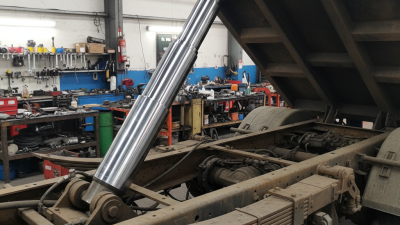
Top 10 Telescopic Cylinders Underbody Applications Explained
In the realm of heavy machinery, the significance of Telescopic Cylinders Underbody cannot be overstated. These hydraulic components play a crucial role in various applications, from dump trucks to construction equipment. Renowned expert, John Stevens, emphasizes, "Telescopic cylinders are the backbone of many lifting systems." His insights reflect the importance of understanding these cylinders in practical settings.
Telescopic Cylinders Underbody are pivotal in safely lifting and lowering loads. They operate smoothly, yet their complexities are often overlooked. Not every engineer fully grasps how these systems work. For instance, improper maintenance can lead to failures. Regular inspections are essential for optimal performance. Operators must learn the nuances of these cylinders to enhance safety and efficiency.
In industries relying on mobility, understanding Telescopic Cylinders Underbody is paramount. Many users might not consider their critical applications in daily operations. Yet, these cylinders influence productivity and safety. A deeper awareness of their functionality could prevent costly operational errors. It's vital to acknowledge both their benefits and the potential challenges they present.
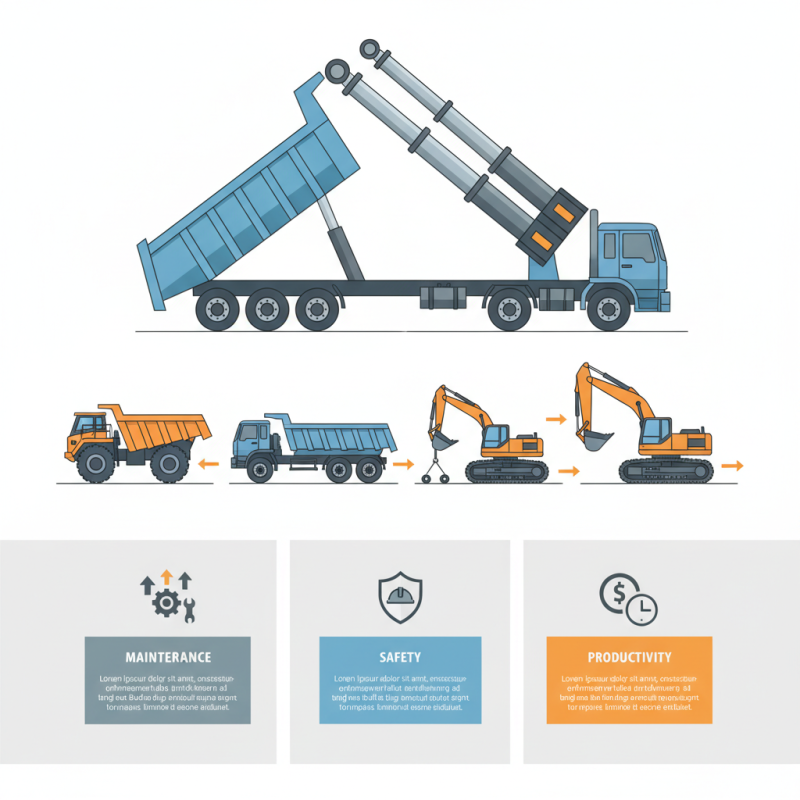
Overview of Telescopic Cylinders in Underbody Applications
Telescopic cylinders play a vital role in underbody applications, providing efficient movement and support. These hydraulic devices extend and retract, allowing for versatile uses in various industries, such as construction and transportation. Their unique design enables multiple stages, enhancing lifting capabilities while maintaining a compact form when retracted.
When choosing telescopic cylinders, consider load capacity. Each cylinder has limitations. Failing to account for these can lead to operational problems. Tips: Always review specifications carefully. Overloading can cause failures or accidents.
Some applications, like dump trucks, benefit from telescopic cylinders. They aid in lifting and dumping materials effectively. The right size and strength are crucial. Failure to choose properly will affect performance. Sometimes, things may not work as intended. Evaluate maintenance routines. Regular checks can prevent unexpected breakdowns.
Key Features and Benefits of Telescopic Cylinders
Telescopic cylinders are widely used in various underbody applications. Their design allows for multiple stages of extension, making them ideal for tasks requiring significant reach. These cylinders are often found in trailers, construction equipment, and hydraulic lifts. Their compact nature helps save space while providing significant power.
One key feature is their ability to generate considerable force. This makes them suitable for heavy lifting and precise control. They can handle substantial loads, which is essential for many industries. Additionally, their hydraulic mechanism ensures smooth operation, reducing wear and tear on equipment.
Tips: Always check the specifications. Ensure the cylinder matches your project needs. Regular maintenance is crucial. Look for signs of wear or leaks. These precautions can extend the life of the cylinder. Remember, not all applications require the same features. Assess your requirements carefully before making a decision.
Common Industries Utilizing Telescopic Cylinders Underbody
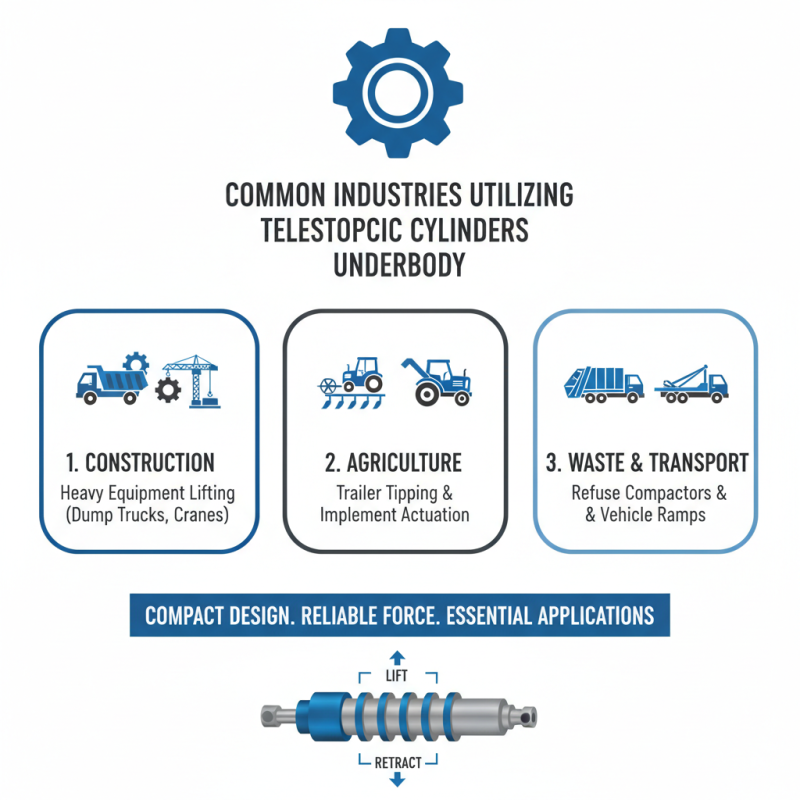
Telescopic cylinders play a vital role in various industries. These cylinders are essential in applications requiring compact designs and reliable force. For example, construction vehicles rely heavily on telescopic cylinders for lifting heavy equipment. The cylinders allow for the extension and retraction needed for effective task completion.
In agriculture, telescopic cylinders are utilized in machinery like loaders and harvesters. They enhance the functionality of these machines, providing necessary power for lifting tools or cargo. However, the reliance on such technology can lead to challenges. Maintenance is crucial. Neglecting it might cause unexpected failures during critical operations.
Waste management industries also benefit. Telescopic cylinders help compact waste materials efficiently. While effective, they can occasionally face issues. Operators must be trained to address potential malfunctions. Proper use ensures longevity and effectiveness in different applications. The integration of telescopic cylinders continues to evolve, revealing both opportunities and challenges for industries.
Top 10 Applications of Telescopic Cylinders Underbody
Telescopic cylinders play a crucial role in various underbody applications. They provide essential lifting and lowering functions in construction and agricultural machinery. These components can extend to significant lengths while maintaining stability, ensuring efficient operation.
One common use is in dump trucks. The telescopic cylinder raises the truck’s bed to release its load effectively. This application requires precise engineering. Another example is in mobile cranes, where these cylinders enable the boom to extend and retract smoothly. Sometimes, alignment issues can occur, leading to operational inefficiencies.
In the realm of trailers, telescopic cylinders assist in adjustable height applications. For example, they help load and unload cargo, adapting to different heights. However, maintenance can be challenging. If not regularly checked, seals can wear out, causing leaks. The importance of routine inspections cannot be overstated, as neglect can lead to safety concerns. Overall, understanding the diverse applications and potential pitfalls of telescopic cylinders can enhance performance in the field.
Factors to Consider When Choosing Telescopic Cylinders for Use
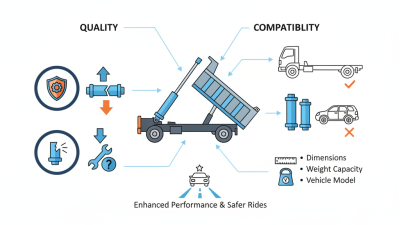
When selecting telescopic cylinders for underbody applications, several factors require consideration. The working environment is crucial. Are the cylinders exposed to extreme temperatures or abrasive materials? These conditions can affect performance. Additionally, the load capacity must align with the specific tasks at hand. It's important to know the weight the cylinder needs to lift. Underestimating this can lead to failures.
Another factor is the installation space. Are there limitations in height or width? This can restrict the type of cylinders you can use. Maintenance requirements also matter. Some cylinders may require more frequent servicing. This fact can complicate long-term planning. You need to think about the amount of downtime you're willing to accept.
You should also evaluate hydraulic fluid compatibility. Different fluids can cause damage to seals and other components. Finally, think about the cost versus quality. Choosing the cheapest option might save money today but could lead to costly repairs later. Balancing these factors can be challenging, but it's essential for achieving optimal performance in underbody applications.
Top 10 Telescopic Cylinder Underbody Applications