Top Tips for Choosing the Right Telescopic Cylinder?
Choosing the right Telescopic Cylinder can be challenging. Experts emphasize the importance of making informed decisions. According to John Smith, a renowned hydraulic systems specialist, "Selecting the proper telescopic cylinder is crucial for operational efficiency and safety."
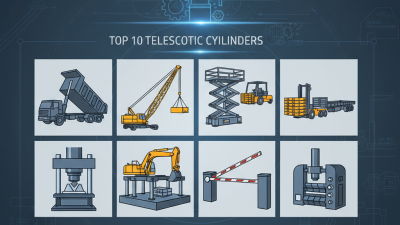
Telescopic cylinders are widely used in various industries. These powerful tools extend and retract, allowing for compact storage and effective force application. Understanding the specifications such as stroke length, load capacity, and material strength is essential. Misjudging any of these factors could lead to equipment failure.
Additionally, the installation process of a telescopic cylinder can be complex. There are multiple aspects to consider, including alignment and mounting techniques. Inadequate installation may complicate performance. Careful scrutiny of each step is necessary to ensure functionality and longevity. Ultimately, the choice of a telescopic cylinder can significantly impact overall project success.
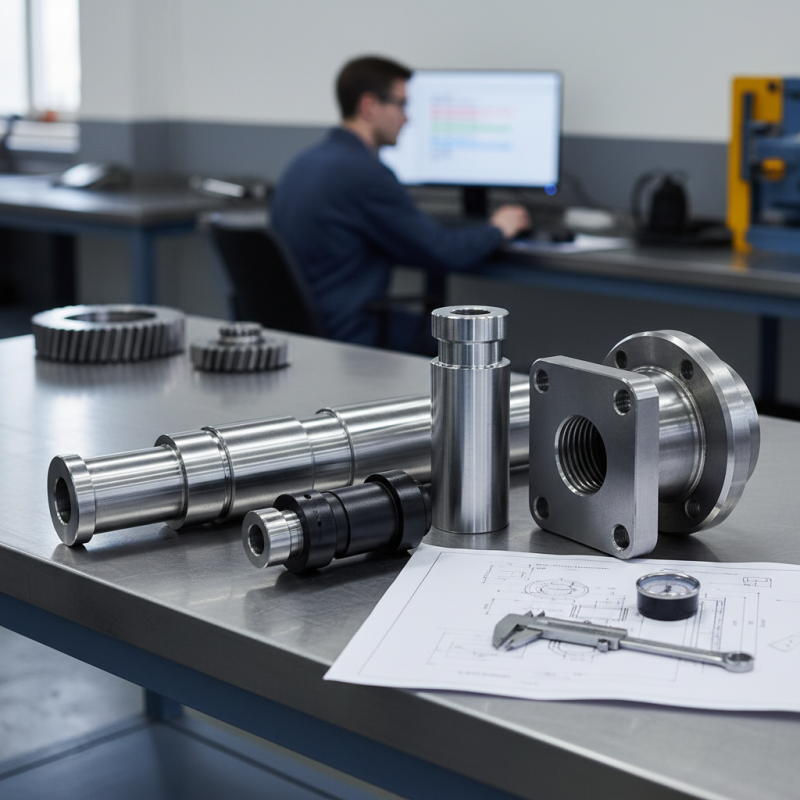
Understanding the Basics of Telescopic Cylinders
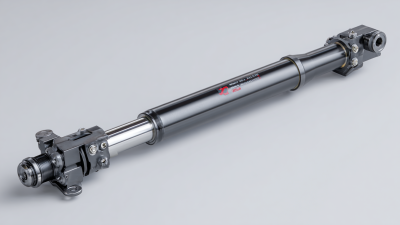
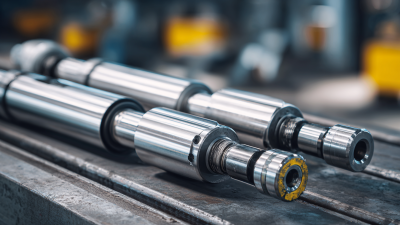
Telescopic cylinders are essential in various applications, from construction to manufacturing. Understanding the basic components can significantly enhance your selection process. Telescopic cylinders consist of multiple sections, which allow for extended reach and compact storage. The cylinder’s stroke length, pressure ratings, and material type are critical factors. Each element must align with the specific requirements of your project.
When assessing the right telescopic cylinder, consider its intended use. For heavy-duty tasks, a robust design is necessary. Weight capacity should match the loads you anticipate. Analyze the operational environment, as temperature and moisture can affect performance. Materials like steel offer durability, but they may add weight. Ensure that your chosen cylinder balances strength and mobility.
Many users overlook maintenance needs. Regular inspections can prevent failures, enhancing reliability. Pay attention to seals and joints, as wear can lead to leaks. If your cylinder doesn’t perform as expected, reflect on your choices. Did you prioritize the right specifications? There’s always room for improvement in understanding these devices. Making informed decisions leads to better outcomes in your projects.
Top Tips for Choosing the Right Telescopic Cylinder
| Dimension |
Description |
Important Considerations |
| Stroke Length |
The distance the cylinder can extend and retract. |
Ensure it meets your application’s requirements. |
| Rod Diameter |
The diameter of the rod that extends from the cylinder. |
Affects the strength and durability of the cylinder. |
| Bore Size |
The internal diameter of the cylinder. |
Larger bore sizes may increase force output. |
| Material |
Common materials include steel, aluminum, and composite materials. |
Select a material based on environmental conditions and weight considerations. |
| Number of Stages |
Refers to how many extendable sections the cylinder has. |
More stages can provide longer stroke lengths in a compact form. |
| Pressure Rating |
Maximum pressure the cylinder can safely handle. |
Choose a cylinder rated for higher pressures to ensure safety. |
Key Factors to Consider When Selecting a Telescopic Cylinder
When selecting a telescopic cylinder, consider several critical factors to ensure optimal performance. Start by evaluating the load capacity. This directly impacts the cylinder's effectiveness in your application. It’s crucial to understand the maximum weight the cylinder will bear under various conditions.
Another important aspect is the operating pressure. The cylinder must withstand the pressure in your specific application without failing. Look into the environmental conditions as well. Temperature extremes, humidity, and exposure to chemicals can affect the cylinder's longevity. Seeking cylinders made from durable materials could mitigate this concern.
Pay attention to the stroke length required for your operation. An inappropriate stroke can lead to inefficiencies. Additionally, you should think about mounting options and installation ease. A poorly designed cylinder can complicate setup. Lastly, consider the availability of replacement parts. Having them on hand ensures your operations can continue smoothly without unnecessary downtime.
Key Factors Influencing the Selection of Telescopic Cylinders
Evaluating Material Options for Durability and Performance
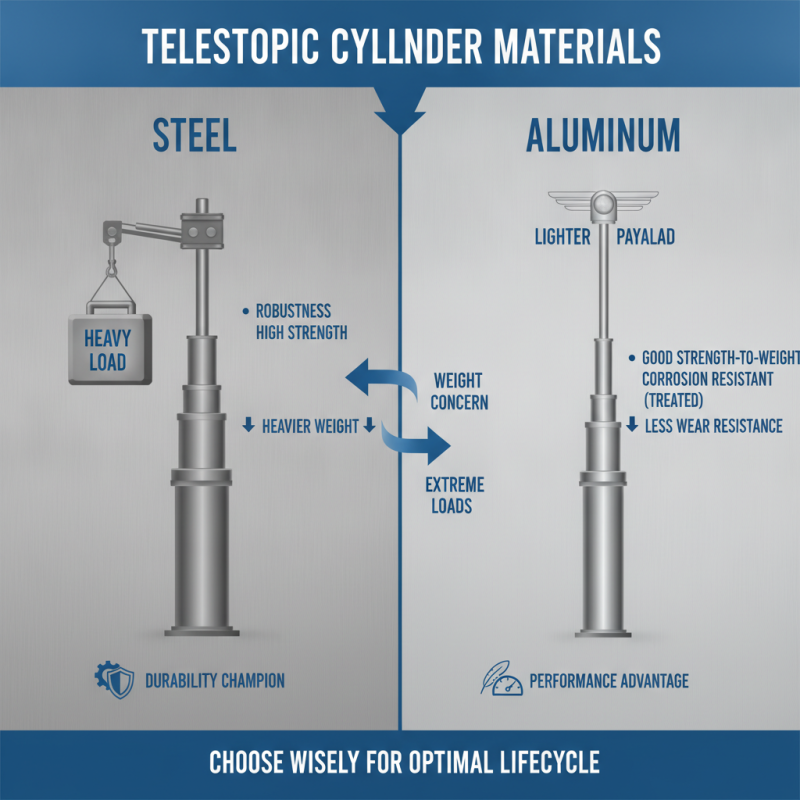
Choosing the right material for a telescopic cylinder can significantly impact its durability and performance. Different materials offer varying strengths and weaknesses. For instance, steel is known for its robustness but is also heavier. Aluminum, on the other hand, provides a good strength-to-weight ratio, making it ideal for applications where weight is a concern. However, aluminum can be less resistant to wear and corrosion compared to other materials.
When considering material options, evaluate the environment in which the cylinder will operate. If it will be exposed to harsh weather, materials like stainless steel or coated finishes might be necessary. This adds to the cost but ensures longevity. It's essential to assess potential trade-offs. While a more durable material may increase initial costs, it often leads to savings in maintenance and replacement.
Think about specific use cases. A construction site may require a different material than a laboratory setting. Reflect on the conditions and frequency of use. It's easy to overlook these details, yet they can drastically affect the cylinder's performance. Each material has unique characteristics that need careful consideration, ensuring the telescopic cylinder meets your specific needs effectively.
Analyzing Stroke Length and Functionality Requirements
When choosing a telescopic cylinder, stroke length and functionality are critical factors. The stroke length determines how much the cylinder can extend and retract. According to industry research from the International Actuation Institute, optimal stroke lengths for hydraulic applications often range between 100 mm to over 1000 mm. Understanding the specific needs of your application helps narrow down options effectively.
Functionality also influences choice. Different cylinders offer various force outputs and speed characteristics. A study by the Fluid Power Society revealed that cylinders designed for high-speed applications can extend their stroke at rates exceeding 1 meter per second. This can be crucial in automation and manufacturing. However, users often overlook the need for consistent performance under load. Regular testing for wear and pressure resistance is essential.
Customization might be necessary, reflecting a project's unique requirements. The choice of materials, seals, and mounting options can impact durability. For example, using stainless steel affects both weight and corrosion resistance. Yet, customization can also complicate the process, leading to longer lead times. Balancing functionality with practicality is vital for success.
Assessing Cost vs. Quality for Optimal Investment Decisions
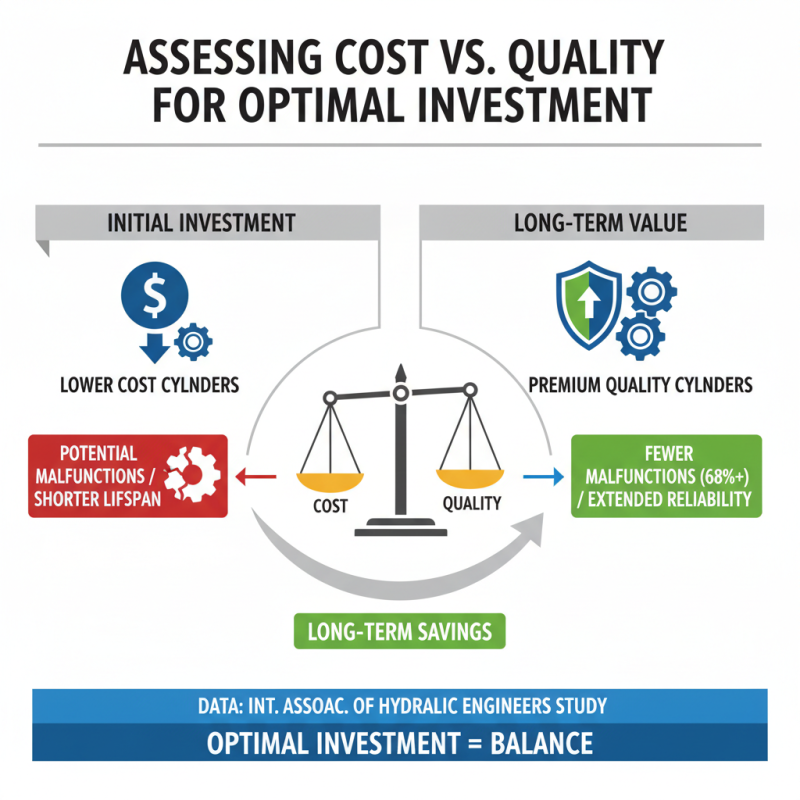
When selecting a telescopic cylinder, understanding the balance between cost and quality is crucial. Reports indicate that investing in higher-quality cylinders often leads to long-term savings. A study by the International Association of Hydraulic Engineers shows that 68% of users experienced fewer malfunctions with premium cylinders. This data underlines the potential trade-off between initial investment and long-term reliability.
However, not every expensive cylinder guarantees superior performance. Costly materials may not always translate to better durability. A survey from the Engineering Equipment Manufacturers Association highlights that 45% of users felt overwhelmed by options that lacked clear specifications. Thus, careful evaluation is necessary. Analyzing component quality and manufacturer reputation helps inform a sound investment decision.
Moreover, the maintenance factor shouldn't be overlooked. Cheaper models may require frequent repairs, increasing total costs over time. The Machinery and Equipment Maintenance Report states that companies adopting reliable cylinders save an average of 20% annually on repairs. Finding a balance between upfront cost and the total lifecycle expense is key. Remember, only thorough research can lead to an optimal choice.