China Top Hydraulic Cylinder for Excavator Suppliers?
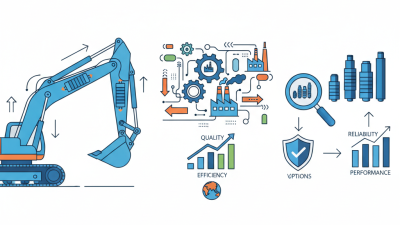
Choosing a China supplier for a Hydraulic Cylinder For Excavator requires more than comparing prices. Excavators work through dust, vibration, heavy loads, and changing jobsite conditions. Their cylinders must respond smoothly while resisting bending, leakage, and premature wear. A reliable supplier should understand these pressures from real production experience, not only from catalog specifications.
This outline examines how leading Chinese manufacturers design, machine, test, and support excavator cylinders. It considers bore diameter, rod strength, seal quality, surface treatment, mounting dimensions, and operating pressure. Factory machining accuracy matters. So does the inspection process before shipment. Buyers should ask for material certificates, pressure-test records, dimensional reports, and clear warranty terms. Suppliers with experienced engineers can also adjust ports, cushions, coatings, and mounting points for different excavator models.
A polished website proves little. Production evidence matters more. Factory visits, sample testing, and consistent communication can reveal important differences between suppliers. Some manufacturers may offer excellent cylinders but limited after-sales support. Others may respond quickly but lack strong quality control. No supplier is perfect. That is worth remembering.
The strongest candidates usually combine modern equipment, trained technicians, documented procedures, and practical export experience. They should explain failure risks honestly, including seal damage, rod scoring, and incorrect installation. Independent testing remains valuable when safety and uptime are critical. By comparing technical capability, delivery reliability, customization, and service quality, buyers can identify a dependable China-based partner for long-term excavator operations.
Excavator Hydraulic Cylinders: Types, Bore Sizes, and 250–350 bar Ratings
Excavator Hydraulic Cylinders: Types, Bore Sizes, and 250–350 bar Ratings
Excavator cylinders convert hydraulic pressure into controlled digging force. Boom, arm, and bucket cylinders perform different duties. Boom cylinders usually need larger bores, often 120–180 mm, for lifting heavy attachments. Arm cylinders commonly range from 100–160 mm. Bucket cylinders may use 80–140 mm bores, depending on machine weight and linkage design. Stroke length must match the excavator’s geometry, not only its tonnage.
Pressure ratings require careful interpretation. ISO 6022 covers heavy-duty hydraulic cylinders with a 250 bar nominal working pressure. Many excavator systems operate around 250–320 bar, while transient peaks can approach 350 bar. A larger bore increases force, but it also increases weight and oil demand. Rod diameter, sealing design, buckling resistance, and mounting alignment remain equally important. Pressure alone is not a specification.
The Global Hydraulic Cylinders Market report by MarketsandMarkets projects continued market growth through 2029, supported by construction and material-handling equipment demand. Grand View Research also identifies mobile equipment as a major cylinder application segment. These reports support the market direction, but their figures differ because definitions vary. That matters when comparing Chinese suppliers. Ask for pressure-test records, material certificates, ISO 6022 compliance, surface-hardness data, and cycle-test results. Check the actual 250–350 bar requirement. A supplier may advertise 350 bar, yet provide only short-duration testing. That is a practical warning. Supplier claims need independent verification.
China’s Supplier Landscape: OEM, ODM, and ISO 9001 Manufacturing Models
China Top Hydraulic Cylinder for Excavator Suppliers?
China’s Supplier Landscape: OEM, ODM, and ISO 9001 Manufacturing Models
China’s excavator cylinder suppliers generally follow OEM, ODM, or standardized ISO 9001 manufacturing models. Each model suits a different purchasing requirement.
OEM production follows the buyer’s drawings, materials, and testing specifications. Experienced factories can control tube honing, rod chrome plating, welding, and seal installation. They should also provide dimensional reports and pressure-test records. Ask how they trace steel batches and replace nonconforming parts. Small details matter.
ODM suppliers offer a stronger engineering role. They may improve mounting points, port layouts, cushioning systems, or seal selection. This can help when the original design is costly or difficult to maintain. However, design changes require field evidence. A smoother drawing does not always mean better performance.
ISO 9001 certification supports controlled procedures, corrective actions, and documented inspections. It does not automatically prove superior cylinder quality. Buyers should review audit scope, calibration records, weld inspection methods, and sample test results. A factory visit can reveal practical habits, such as covered storage and clean assembly benches. These observations are useful, but not conclusive.
A reliable evaluation should compare prototype results, communication speed, warranty terms, and production consistency. Request samples from the same process used for mass production. Some suppliers explain specifications well but respond slowly after delivery. That gap deserves attention. Even a careful sourcing team may miss hidden fatigue risks without long-cycle testing.
Quality Standards: ISO 6020/2, ISO 6022, NDT, and Pressure Testing
China Top Hydraulic Cylinder for Excavator Suppliers?
When evaluating hydraulic cylinder suppliers, look beyond price and polished product photographs. ISO 6020/2 and ISO 6022 define important dimensional and performance requirements for different cylinder applications. A capable supplier should explain which standard matches your excavator’s load, stroke, mounting, and working pressure.
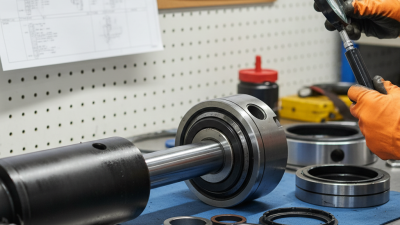
Pressure testing must be more than a checkbox. Each cylinder should be tested at the specified pressure, with results recorded by serial number. Inspectors should check leakage, rod movement, weld quality, and seal behavior after pressurization. Non-destructive testing, including ultrasonic or magnetic particle inspection, can reveal hidden weld or material defects. I have seen attractive cylinders fail because inspection records were incomplete. Certificates alone are not enough.
Tips: Ask for the inspection plan, pressure-test curve, NDT method, calibration dates, and material traceability. Confirm whether testing covers every cylinder or only samples. Check the rod surface for scoring, especially near the seal area. Small details matter. A useful improvement is comparing test data with field failures, because specifications may not reflect real digging cycles. Suppliers should welcome this review, even when it exposes an imperfect process.
Hydraulic Cylinder Quality Reference: ISO Pressure Classes
ISO 6020/2 defines medium-series hydraulic cylinders with a nominal pressure of 16 MPa (160 bar), while ISO 6022 covers heavy-duty hydraulic cylinders with a nominal pressure of 25 MPa (250 bar). Non-destructive testing (NDT) and pressure testing are additional quality-control activities; their methods, acceptance criteria, and test pressures should be specified by the applicable drawing, purchasing specification, or project standard.
Selecting a Top Supplier: MOQ, Lead Time, Warranty, and Total Cost
China Top Hydraulic Cylinder for Excavator Suppliers?
Selecting a top hydraulic cylinder supplier requires more than comparing unit prices. Start by checking the minimum order quantity, or MOQ. A low MOQ suits repair shops and smaller excavator fleets. A higher MOQ may reduce the price, but it can tie up cash and storage space. Ask whether mixed models are accepted within one order. This detail often changes the real purchasing decision.
Lead time should be confirmed in writing. Request production days, inspection time, and shipping estimates separately. A supplier with clear scheduling is easier to manage during urgent repairs. Warranty terms also need careful review. Check coverage for seal leakage, rod damage, installation problems, and replacement freight. A twelve-month warranty sounds useful, but unclear exclusions can make it weak. Ask for inspection records, material information, pressure-testing procedures, and traceability documents. These details show practical quality control, not just sales language.
Tips: Compare total cost, not only the quoted cylinder price. Include tooling, packaging, transport, taxes, installation, downtime, and possible returns. For example, a cheaper cylinder that arrives three weeks late may cost more through lost machine hours. Request a sample or dimensional drawing before bulk production. Measure pin diameter, mounting width, stroke, and port position carefully. Mistakes happen, even with experienced buyers. A small specification error can delay an entire shipment. Keep all agreements, drawings, and test results in one file for future claims.