Top 10 Excavator Hydraulic Cylinder Manufacturers to Choose?
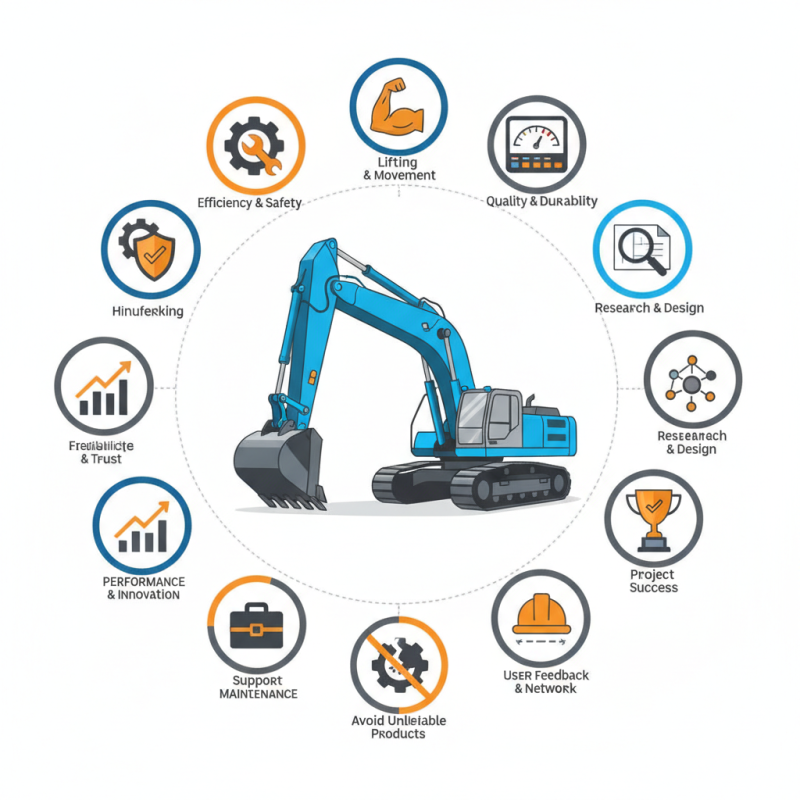
When it comes to construction equipment, the excavator hydraulic cylinder plays a crucial role in ensuring efficiency and safety. This important component allows excavators to lift and move heavy materials with precision. The performance of an excavator largely depends on the quality of its hydraulic cylinders. Many manufacturers offer a variety of designs and technologies. Choosing the right one can be overwhelming.
It's essential to look for reliable manufacturers. They offer quality hydraulic cylinders that stand the test of time. Experienced companies often provide better support and maintenance options. They also bring innovation to the table, enhancing performance and durability. Understanding different options requires research and possibly some trial and error.
Some manufacturers may not meet expectations. Their products might lack reliability or fail under heavy use. So, consider feedback from other users. A reliable network can guide you toward reputable brands. Overall, the right excavator hydraulic cylinder manufacturer will greatly impact your project's success.
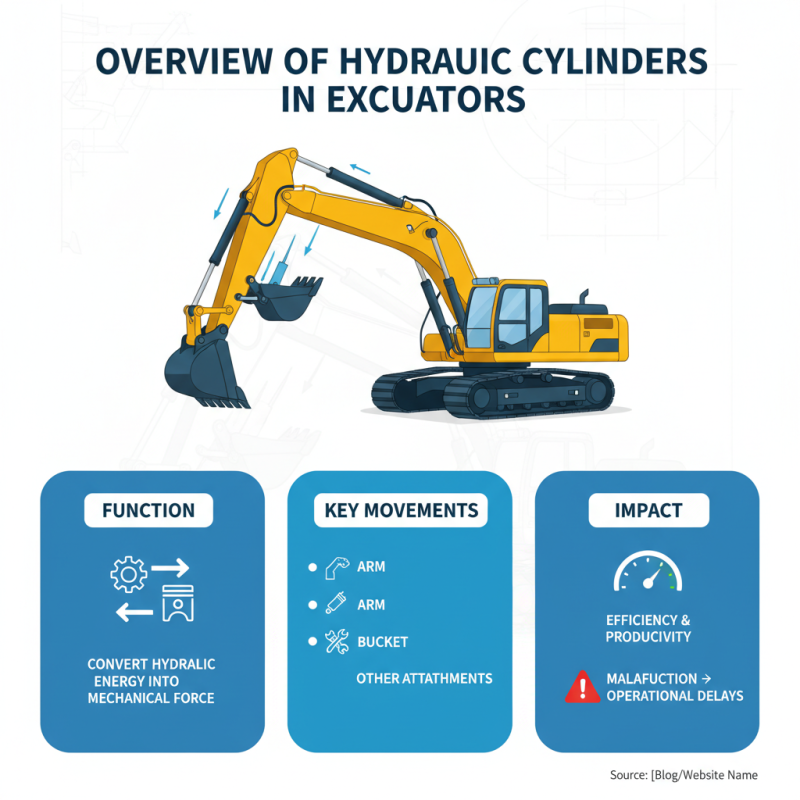
Overview of Hydraulic Cylinders in Excavators
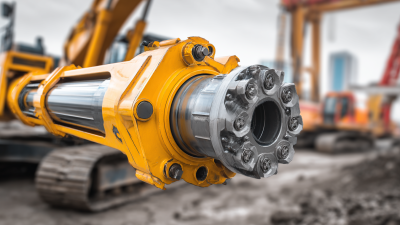
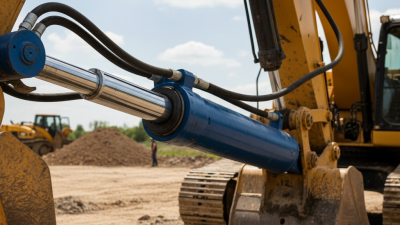
Hydraulic cylinders play a crucial role in excavators. They convert hydraulic energy into mechanical force. This enables the powerful movement of the arm, bucket, and other attachments. The efficiency of these cylinders impacts overall performance and productivity. If they malfunction, it can lead to severe operational delays.
When choosing a hydraulic cylinder, consider the type of work performed. Different tasks require varying force levels. The environment also matters. For instance, extreme temperatures can affect cylinder performance. Be mindful of material durability as well. Quality materials ensure longevity and reduce maintenance costs.
**Tips:** Regular maintenance can identify issues before they escalate. Inspect seals and hoses frequently. Ensure that the hydraulic fluid is at the correct level. Using the right fluid type is essential for optimal performance.
Pay attention to the specifications of the cylinders. Understanding bore sizes, stroke lengths, and pressure ratings helps in selecting the right one. Inaccuracies in this area can lead to improper functioning. It’s advisable to consult with experts when in doubt. They can offer insights tailored to specific applications.
Criteria for Selecting Top Excavator Hydraulic Cylinder Manufacturers
When selecting excavator hydraulic cylinder manufacturers, it's vital to assess several criteria. Experience in the industry is paramount. Manufacturers with years of operation often offer superior insights and expertise. Look for companies that have a proven track record in producing reliable hydraulic cylinders. This can greatly impact your purchasing decision.
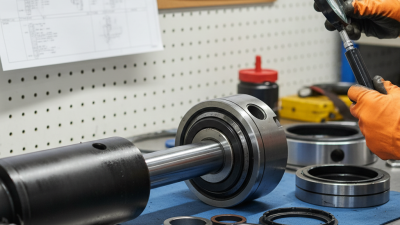
Quality of materials used is another essential factor. Durable materials increase the lifespan of the cylinders. Pay attention to the manufacturing processes as well. Companies that implement strict quality control measures usually produce more reliable products. Testing and certification also add layers of trust. Some manufacturers might skip these crucial steps, which can lead to unexpected failures.
Customer support is often overlooked but equally important. Reliable manufacturers should provide strong after-sales service. Also, consider user feedback and reviews. They can reveal potential issues. Sometimes, a manufacturer may look perfect on paper but lack real-world performance. Engaging in thorough research will ensure better choices in the long run.
Notable Features of Leading Hydraulic Cylinder Manufacturers
When selecting hydraulic cylinder manufacturers, several notable features set top contenders apart. The first aspect is their experience in the industry. Manufacturers with a long track record often provide reliable products. They understand the intricacies of hydraulic systems, allowing them to produce superior components. Newer companies may lack this depth of knowledge, impacting the quality of their offerings.
Quality control is another critical factor. Leading manufacturers invest in rigorous testing processes. They ensure that each cylinder meets strict performance standards. This attention to detail minimizes the risk of failures in the field. Similarly, the availability of custom solutions reflects a manufacturer's commitment to meeting specific client needs. However, not all companies excel in this regard. Some may offer limited customization options, which can frustrate customers seeking tailored products.
Customer support also plays a significant role in sourcing decisions. Companies that provide extensive after-sales service gain a competitive edge. Easy access to technical assistance can dramatically enhance user experience. Yet, it is essential to note that some manufacturers still struggle with support consistency. Clients should research each company's reputation for resolving issues effectively. This diligence can lead to better long-term partnerships and improved operational efficiency.
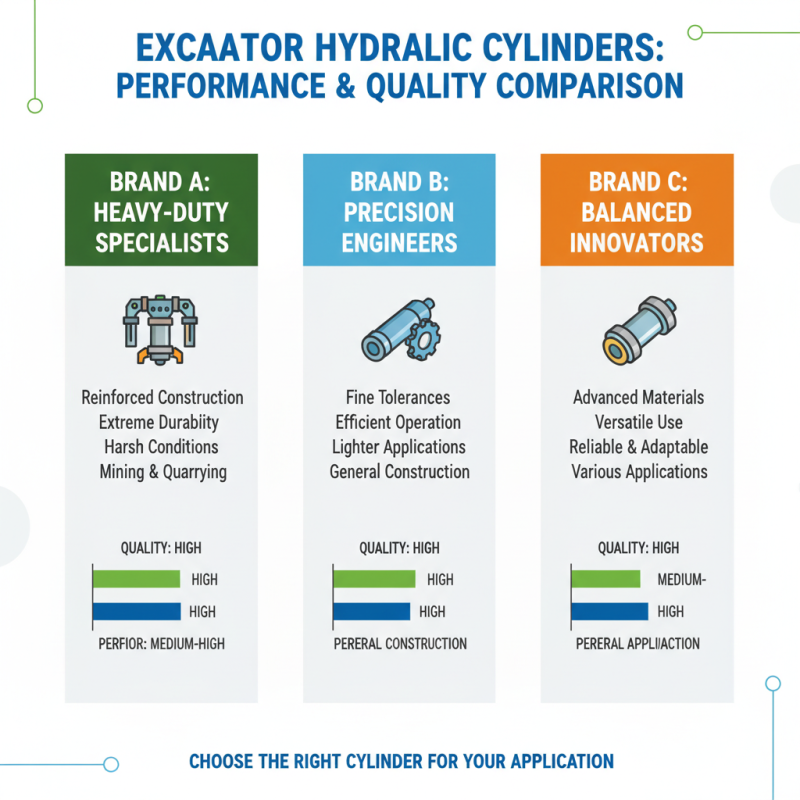
Comparison of Performance and Quality among Top Brands
When it comes to excavator hydraulic cylinders, quality and performance stand as critical factors. Different manufacturers implement various technologies and materials, impacting both durability and efficiency. Some brands prioritize heavy-duty construction, ensuring their cylinders withstand extreme conditions. Others may focus on precision engineering to enhance performance in lighter applications.
It’s important to evaluate the specific needs of your project. Not all cylinders are created equal, and performance can vary significantly. Some cylinders might excel in lifting capacity but fall short in speed. Others may offer excellent responsiveness but lack in terms of durability. This inconsistency highlights the need for careful consideration in selecting a manufacturer.
Brand reputation often reflects real-world performance, but not always. An impressive marketing campaign can mislead customers. Some manufacturers may boast high-quality materials but deliver inconsistent results. End users frequently report variable performance in different operating conditions. It's crucial to look closely at reviews and independent tests to gauge reliability.
Market Trends and Innovations in Excavator Hydraulic Cylinder Manufacturing
The excavator hydraulic cylinder market is evolving rapidly. Recent data shows the global market is projected to reach $6.35 billion by 2027, growing at a CAGR of 4.2%. This growth results from advancements in hydraulic technology. Manufacturers are increasingly adopting smart hydraulics. With sensors integrated into hydraulic cylinders, real-time monitoring can improve efficiency and reduce maintenance costs.
Innovations also focus on material science. High-strength, lightweight materials enhance durability and fuel efficiency. Studies indicate that cylinders using advanced materials can reduce weight by up to 30%. However, these innovations raise quality control concerns. Manufacturers must ensure that the new materials meet strict safety and performance standards.
In addition, the growing trend of sustainability influences product design. Eco-friendly hydraulic fluids are gaining prominence. Reports suggest that over 60% of manufacturers are researching biodegradable options. Nevertheless, the challenge remains in balancing performance and environmental impact. Companies must reflect on their processes to achieve sustainable innovation while maintaining reliability and efficiency.