Top Hydraulic Cylinder For Excavator Buyers Guide 2026?
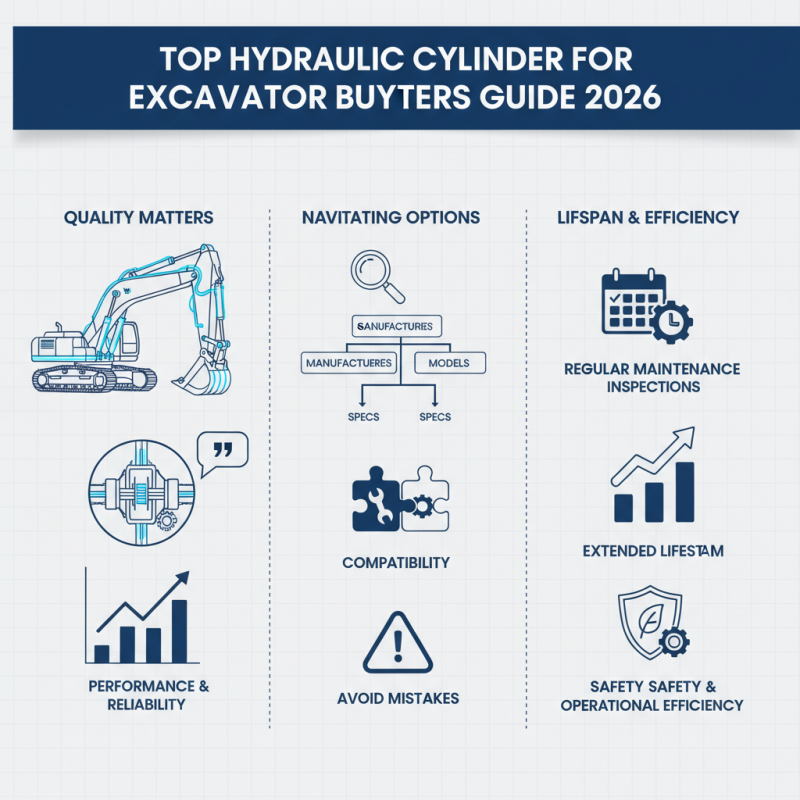
As the construction industry evolves, choosing the right Hydraulic Cylinder For Excavator is crucial for efficient operations. According to industry expert James Wallace, "The performance of an excavator greatly relies on the quality of its hydraulic cylinders." This statement underscores the importance of investing in top-quality components.
In 2026, buyers face a diverse market filled with options. It can be overwhelming to navigate various manufacturers and specifications. Each hydraulic cylinder comes with unique features that can greatly affect performance. Ensuring compatibility with your excavator model is essential to avoid costly mistakes.
Understanding the reliability and durability of hydraulic cylinders is paramount. Many buyers overlook the significance of proper maintenance. Regular inspections can extend the lifespan of these components. With numerous factors in play, making an informed decision is complex yet vital for achieving operational efficiency and safety.
Top Trends in Hydraulic Cylinder Technology for Excavators in 2026
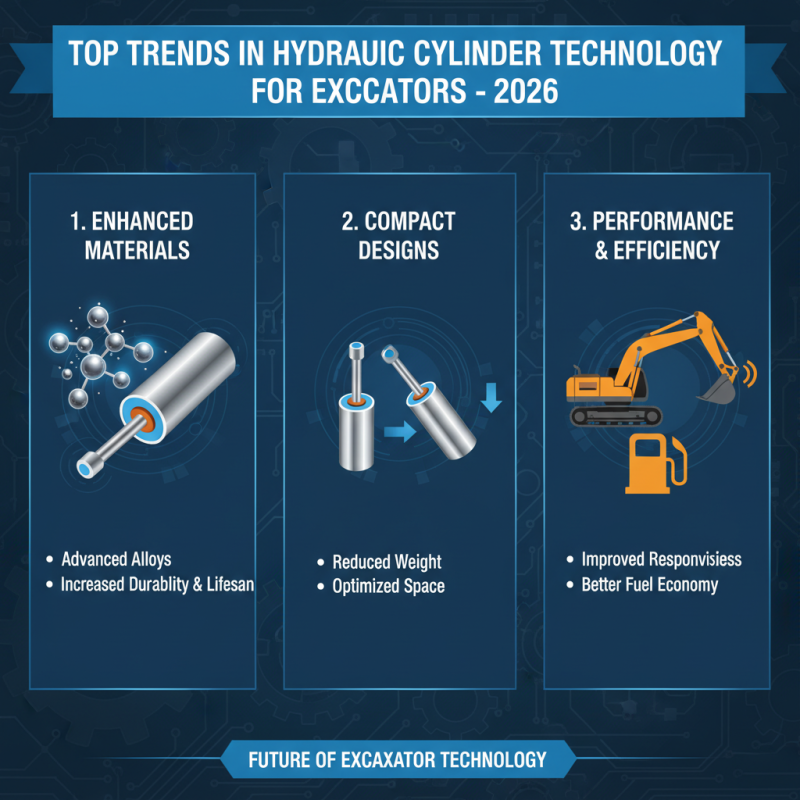
As excavator technology evolves, so does the hydraulic cylinder. In 2026, key trends include enhanced materials and compact designs. Manufacturers are exploring advanced alloys to increase durability while reducing weight. This shift not only improves performance but also fuel efficiency.
Smart technology integration is another significant trend. Hydraulic cylinders with sensors can monitor performance in real-time. This data helps identify potential issues early, preventing costly breakdowns. Additionally, predictive maintenance becomes easier, ensuring machines stay operational longer. However, reliance on smart tech presents challenges in terms of cybersecurity.
Another area of focus is sustainability. Eco-friendly hydraulic fluids are gaining traction. These fluids minimize environmental impact while maintaining high performance. Yet, transitioning to greener options comes with hurdles. Users must ensure compatibility and effectiveness during this switch. The future looks promising, but careful consideration is crucial.
Key Specifications to Consider When Selecting Hydraulic Cylinders
When selecting hydraulic cylinders for excavators, several key specifications play a crucial role. Understanding these parameters ensures you choose cylinders that suit your excavation needs. One essential factor is the cylinder stroke length. It determines how far the piston can extend and retract. A longer stroke can deliver greater reach. However, it may also add weight, affecting machine handling.
Another vital specification is cylinder bore size. The bore diameter influences the force output and response time. A larger bore can generate more force but may require more hydraulic fluid. Balance is necessary; too large a bore might lead to inefficiency. Additionally, the rod diameter impacts strength and stability under load. Ensure it matches the expected working conditions.
The material of hydraulic cylinders is equally important. High-strength steel offers durability but can increase overall weight. Conversely, lighter materials might reduce strength. Think about environmental factors too. Corrosive conditions necessitate cylinders with protective coatings. These details can often be overlooked, yet they significantly affect performance and longevity.
Impact of Cylinder Materials on Performance and Durability
When selecting hydraulic cylinders for excavators, the material choice significantly impacts performance and durability. Steel, for instance, is common due to its strength. However, corrosion can undermine its lifespan. Advanced composite materials show promise, offering lighter weight and resistance to harsh conditions. Still, they can be costlier and may require specialized knowledge for maintenance.
**Tips:** Consider the working environment. In wet or corrosive conditions, anti-corrosion coatings can enhance steel cylinder durability. Regular inspections also help detect early signs of wear.
Quality of seals is vital as well. Poor seals lead to leaks and reduced efficiency. Prioritize cylinders with quality components. Always check manufacturer specifications to ensure compatibility with your excavator.
**Tips:** Look for cylinders that provide clear documentation on materials and longevity. Transparency in manufacturing processes builds trust, ensuring you make an informed decision.
Top Hydraulic Cylinder For Excavator Buyers Guide 2026
| Cylinder Material |
Strength (MPa) |
Weight (kg) |
Durability (Years) |
Corrosion Resistance (1-5 Scale) |
Cost ($) |
| High-Strength Steel |
600 |
150 |
10 |
3 |
800 |
| Alloy Steel |
700 |
140 |
12 |
4 |
950 |
| Stainless Steel |
500 |
130 |
15 |
5 |
1200 |
| Aluminum Alloy |
400 |
100 |
8 |
4 |
600 |
| Carbon Fiber |
300 |
70 |
5 |
5 |
500 |
Market Analysis: Major Players and Pricing Trends in Hydraulic Cylinders
The hydraulic cylinder market for excavators is evolving. Demand is driven by the construction and mining industries. Key players are innovating to improve efficiency and reliability. Market trends show a shift towards modern materials. This enhances performance and reduces maintenance costs.
Pricing trends reveal fluctuations. Factors include raw material prices and technological advancements. Buyers need to consider total cost of ownership. Some low-cost options might lack durability. Investing in quality can yield long-term savings.
Understanding the competitive landscape is vital. Manufacturers are now focusing on sustainability. This responsiveness to environmental concerns can influence purchasing decisions. However, not all manufacturers maintain these standards. Consumers should research before making a choice. Market insights and expert reviews can provide clarity.
Innovations in Hydraulic Cylinder Design for Enhanced Efficiency
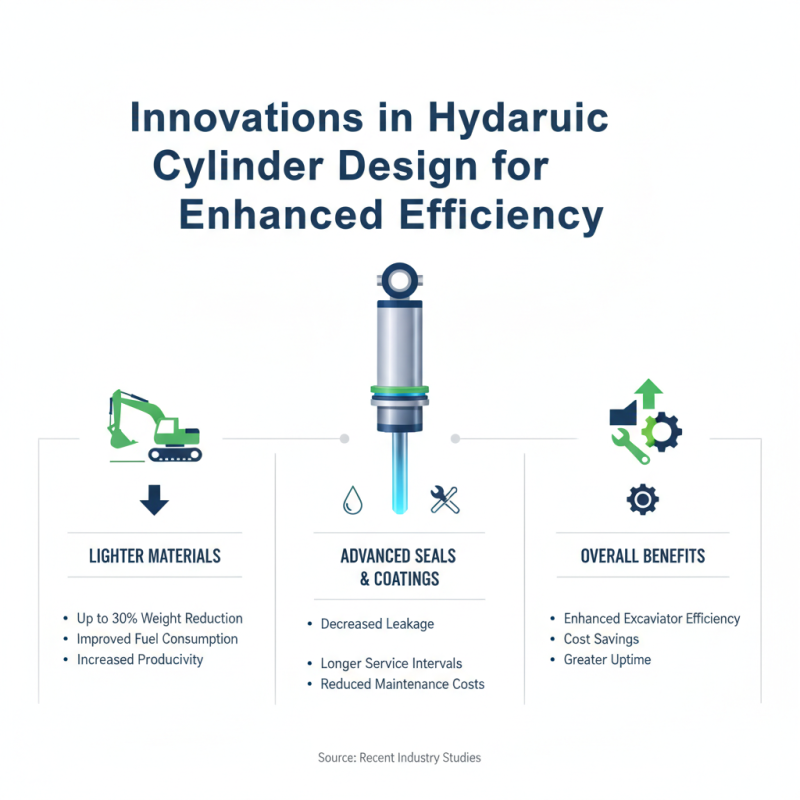
Innovations in hydraulic cylinder design have transformed excavator efficiency. Recent studies indicate that new materials can reduce weight by up to 30%. This reduction impacts fuel consumption positively, offering an increase in productivity. The use of advanced seals and coatings also decreases leakage. These enhancements lead to longer service intervals and reduced maintenance costs.
New designs also emphasize energy efficiency. Some hydraulic systems are now achieving energy savings of over 20%. This development comes from integrating smarter control systems. Nonlinear feedback loops create more responsive actions, improving performance. Meanwhile, real-time monitoring features help detect issues early. This proactive approach prevents costly repairs and downtime.
Despite these advancements, challenges remain. Manufacturers must address serviceability and compatibility with existing models. Some designs, while innovative, may complicate repairs for older equipment. Overall, the hydraulic cylinder market is progressing. The focus on enhanced efficiency and sustainability will drive future innovations. It highlights an industry striving for constant improvement.