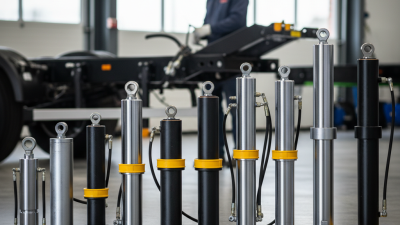
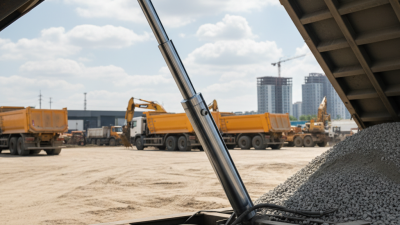
Top 10 Hydraulic Cylinders for Trailers You Should Buy?
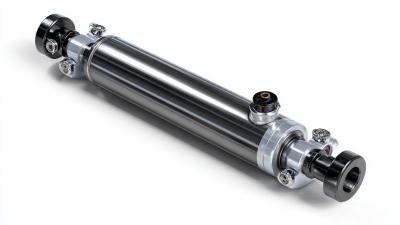
When it comes to choosing the right hydraulic cylinder for trailer applications, understanding the key options is essential. Hydraulic cylinders are crucial for efficient trailer operation. They provide the necessary force for lifting, tilting, and positioning. Selecting the right cylinder can enhance performance and safety.
In this guide, we will explore the top 10 hydraulic cylinders for trailers on the market today. Each option has been carefully evaluated to ensure they meet high standards. Factors like durability, load capacity, and ease of installation will be discussed. Choosing the wrong hydraulic cylinder for trailer use can lead to inefficiencies or even accidents.
Investing in a quality hydraulic cylinder for trailer applications is vital. It impacts the overall efficiency and reliability of your hauling capabilities. With numerous choices, making an informed decision is key. Our compilation aims to help you navigate this landscape effectively.
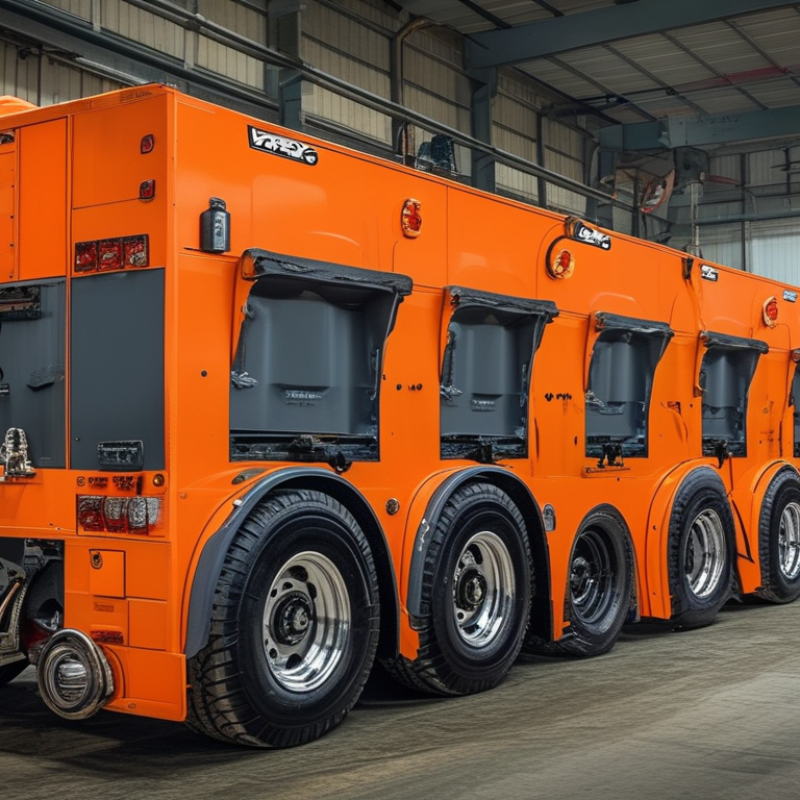
Understanding the Importance of Hydraulic Cylinders in Trailers
Hydraulic cylinders play a crucial role in the functionality of trailers, providing the lifting power needed for various operations. According to industry reports, over 70% of trailer manufacturers utilize hydraulic systems for their efficiency and reliability. These cylinders create motion through the controlled flow of hydraulic fluid, allowing trailers to perform tasks such as loading and unloading heavy materials.
The significance of hydraulic cylinders extends beyond mere mechanics. Their design impacts the safety and stability of trailers. A report by the Association of Equipment Manufacturers highlighted that improper handling of hydraulic systems is responsible for 15% of trailer accidents. Regular maintenance and understanding of hydraulic systems can significantly reduce risks. This illustrates the need for operators to prioritize both knowledge and practice when managing hydraulic components.
Beyond the technical aspects, the choice of hydraulic cylinders can affect operational costs. Research indicates that quality cylinders can enhance fuel efficiency by up to 20%. However, cheaper alternatives may lead to frequent replacements and repairs, which can be costly in the long run. Selecting the right hydraulic cylinder involves weighing reliability against budget constraints. Awareness and education are essential as they empower users to make informed decisions.
Key Specifications to Consider When Choosing Hydraulic Cylinders
When selecting hydraulic cylinders for trailers, several key specifications are crucial. The cylinder’s stroke length should match the trailer’s operational requirements. Short strokes might lack efficiency, while overly long strokes can lead to unnecessary weight. Assess the weight capacity, as this determines how much load the cylinder can handle safely. Too many users overlook this, risking potential failure.
Material quality is another critical factor. Cylinders made from high-grade steel offer better durability. They resist corrosion and wear, especially in harsh environments. However, some customers might choose cheaper options that lead to short lifespans. Piston rod size also influences strength; thicker rods generally provide more support.
Additionally, the type of seal is vital. High-quality seals prevent leaks and ensure smooth operation. Cheap seals can cause frequent maintenance issues, frustrating users.
Consider installation ease and maintenance needs. Complex designs may complicate replacements. Always read user reviews; they can highlight common problems. Ignoring these insights may lead to poor choices. Achieving the right balance of specifications ensures a reliable performance for trailer operations.
Top 10 Hydraulic Cylinders for Trailers You Should Buy
| Model |
Bore Size (inches) |
Stroke Length (inches) |
Pressure Rating (psi) |
Weight (lbs) |
Material |
| Model A |
3 |
24 |
3000 |
25 |
Steel |
| Model B |
4 |
30 |
2500 |
30 |
Aluminum |
| Model C |
2.5 |
18 |
3500 |
20 |
Composite |
| Model D |
3.5 |
20 |
2800 |
27 |
Steel |
| Model E |
5 |
36 |
4000 |
33 |
Aluminum |
| Model F |
4.5 |
32 |
3200 |
28 |
Composite |
| Model G |
3 |
22 |
2900 |
26 |
Steel |
| Model H |
6 |
28 |
4500 |
40 |
Aluminum |
| Model I |
2 |
16 |
2600 |
15 |
Composite |
| Model J |
3.2 |
26 |
3100 |
23 |
Steel |
Top Brands of Hydraulic Cylinders for Trailers in the Market
When it comes to hydraulic cylinders for trailers, choosing the right brand is crucial. Quality and reliability depend on the manufacturer. Various brands offer a range of products that cater to different trailer types and needs. Some brands are known for their robust designs, while others focus on innovative technology. This diversity makes it essential to research each brand's offerings.
A good hydraulic cylinder ensures efficient lifting and stability for your trailer. High-quality options use durable materials that resist wear and corrosion. Users appreciate cylinders that provide smooth operation under heavy loads. However, some brands may not meet expectations, leading to operational issues. It’s vital to read user reviews and product specifications.
Consider factors such as warranty and customer support when selecting a brand. Some manufacturers excel in after-sales service, enhancing user confidence. Choosing a hydraulic cylinder isn't just about price; it's about performance and longevity. Users often reflect on how their choice impacts their overall trailer experience. A small investment in a reliable brand can result in long-term savings.
Comparison of Performance Metrics for Popular Hydraulic Cylinder Models
When looking for hydraulic cylinders for trailers, performance metrics play a crucial role. Key parameters include
load capacity, stroke length, and
retraction speed. Each model offers unique advantages based on these metrics, which determines
their suitability for specific trailer types. For example, a cylinder with a higher load capacity is ideal for
heavy-duty applications, while a shorter stroke length might be more suitable for compact trailers.
In a recent evaluation of various hydraulic cylinder models, many users reported satisfaction with their performance. However, some noted that the
retraction speed did not meet expectations. This inconsistency may stem from variations in hydraulic fluid quality
or system pressure. Proper maintenance of the hydraulic system is essential to achieving optimal performance.
Choosing the right hydraulic cylinder can be overwhelming. Understanding performance metrics enables users to make informed decisions. It's essential
to weigh these metrics against actual usage. Regular testing and feedback from users can improve reliability. This approach fosters
a better understanding of which models truly deliver the best performance for individual needs.
Maintenance Tips to Enhance the Longevity of Hydraulic Cylinders
Maintaining hydraulic cylinders is crucial for the longevity of your trailer. Regular inspection prevents costly failures. Look for leaks or signs of wear regularly. Rust and corrosion can easily damage components. Ensure that the cylinder's exterior stays clean and dry. Dirty surfaces can lead to flow restrictions.
Tip: Lubrication is essential. Regularly check the fittings and lubricate them. This minimizes friction and heat. Consistent care will prolong the life of your hydraulic system. Don’t wait for problems; act on small issues early.
Another important aspect is fluid quality. Use high-quality hydraulic fluid recommended by manufacturers. Contaminated fluid can cause significant damage. Perform fluid changes as needed, based on usage. It’s better to be proactive than reactive.
Finally, educate yourself on the signs of cylinder failure. Look out for abnormal noises or changes in performance. These signs are critical for timely maintenance. Understanding your equipment can save you from bigger headaches down the road. Regular attention ensures that your trailer remains functional and safe.