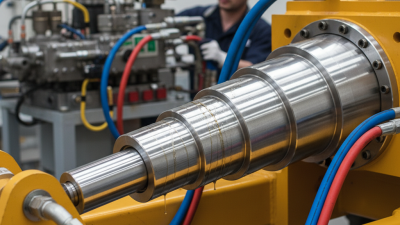
Why Choose a Telescopic Cylinder for Your Next Project?
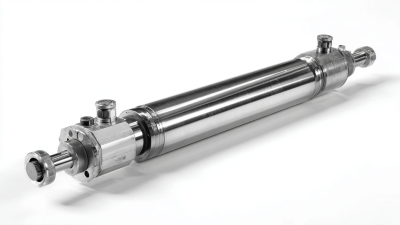
When selecting components for heavy machinery, the benefits of a Telescopic Cylinder stand out. This equipment has become crucial in various industries. According to a 2022 report by the Industrial Equipment Review, Telescopic Cylinders enhance operational efficiency by up to 30%. Such cylinders are designed to extend in stages, allowing for significant reach. They are widely used in construction, transportation, and material handling.
Expert Mike Anderson, a leading authority in hydraulic systems, emphasizes, "The adaptability of Telescopic Cylinders makes them indispensable for modern applications." This adaptability allows for space-saving designs and capability in tight areas. However, not all projects might require their complexity, raising questions about their suitability in simple applications.
Evaluating the project requirements is essential. The choice of a Telescopic Cylinder should consider both performance benefits and specific needs. Careful analysis ensures the investment maximizes efficiency without unnecessary complications. Making informed decisions in this regard can lead to meaningful differences in project outcomes.
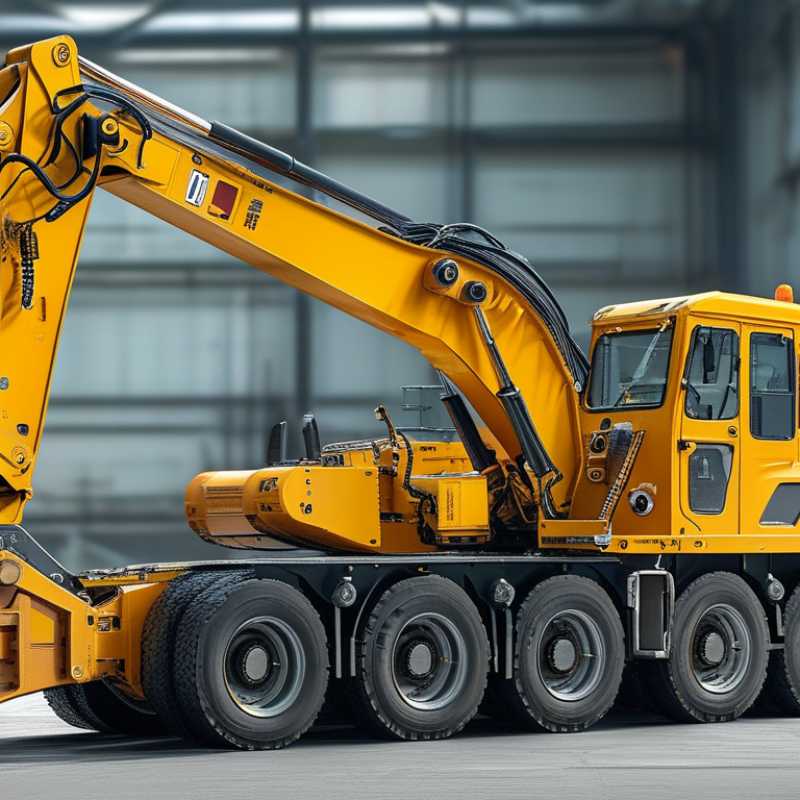
Advantages of Telescopic Cylinders in Engineering Applications
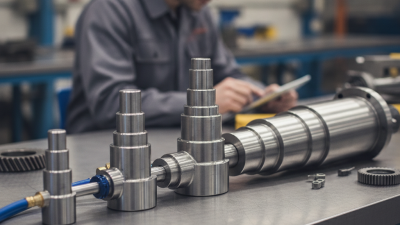
Telescopic cylinders offer unique advantages in various engineering applications. Their compact design allows them to extend and retract, making them ideal for limited spaces. These cylinders provide significant force with minimal installation footprint. Engineers often appreciate their ability to deliver higher lifting capabilities compared to traditional cylinders.
The versatility of telescopic cylinders is noteworthy. They can handle heavy loads while maintaining precision. This attribute is crucial in industries like construction and manufacturing. However, selecting the right cylinder requires careful consideration of load requirements and application specifics. Oversizing or undersizing can lead to inefficiencies. These cylinders, while efficient, also demand regular maintenance. This ensures their longevity and reliability.
Engineers face challenges with these systems. Their complexity can lead to installation errors. Proper training and knowledge become essential. Misalignments can occur if not installed correctly. Attention to detail is vital in maximizing performance. Engaging with experienced professionals can mitigate these risks.
Versatility of Telescopic Cylinders Across Various Industries
Telescopic cylinders offer remarkable versatility across various industries. They have become essential in sectors like construction, agriculture, and transportation. Their compact design allows for significant extension, making them suitable for projects with limited space. For instance, in construction, these cylinders lift heavy loads into tight areas. This capability is vital for operators working in urban settings.
In the agricultural sector, telescopic cylinders enable efficient loading and unloading of materials. They aid in managing equipment with ease. Farmers appreciate how these cylinders enhance productivity during planting and harvesting. However, they can also pose challenges. Proper selection and maintenance are crucial. If misconfigured, they may underperform or fail, leading to delays.
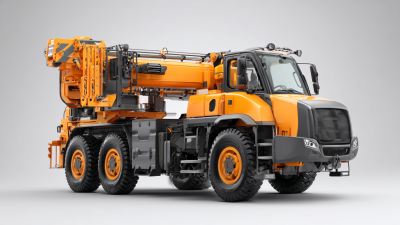
Telehandlers and cranes frequently utilize telescopic cylinders. Their ability to extend and retract smoothly is unmatched. Various designs and materials exist, each tailored for specific applications. This variety can overwhelm users. Therefore, understanding the specific needs of each project is critical. Ultimately, a telescopic cylinder can be a powerful tool in many fields, provided it is chosen thoughtfully.
How Telescopic Cylinders Enhance Performance and Efficiency
Telescopic cylinders have become essential in various industries. Their design enhances performance by offering compact solutions while delivering high force. According to a report by the International Fluid Power Society, telescopic cylinders can achieve lifting capacities up to 50% more than traditional cylinders. This unique structure enables effective operation in limited spaces, increasing productivity.
Efficiency is another significant advantage of telescopic cylinders. They enable smoother operation, reducing wear and tear on equipment. A study by the Hydraulic Institute suggests that using telescopic cylinders can lower energy consumption by 20% in material handling applications. This not only cuts costs but also minimizes the environmental impact. However, choosing the right cylinder requires careful consideration of load capacities and operating conditions.
Despite their benefits, telescopic cylinders are not without challenges. Installation may require precise alignment and careful maintenance. Improper handling can lead to performance issues. Understanding the operational context is crucial for optimal results. Balancing these factors can ensure that projects maximize the advantages that telescopic cylinders bring.
Why Choose a Telescopic Cylinder for Your Next Project? - How Telescopic Cylinders Enhance Performance and Efficiency
| Feature |
Description |
Benefits |
| Space Efficiency |
Telescopic cylinders can extend and retract in a compact form. |
Maximizes available space, allowing for more compact designs. |
| Load Capacity |
These cylinders can handle heavy loads with multiple stages. |
Increases operational capabilities and efficiency in lifting applications. |
| Versatility |
Can be used in various applications such as automotive, construction, and agriculture. |
Adaptable to different project requirements and scenarios. |
| Operational Efficiency |
Fast extension and retraction cycles improve workflow. |
Enhances productivity by reducing downtime. |
| Safety Features |
Incorporate safety locks and mechanisms to prevent accidents. |
Promotes a safer working environment, reducing liability. |
Key Considerations When Selecting Telescopic Cylinders for Projects
When selecting a telescopic cylinder for your next project, there are several key considerations to keep in mind. One vital factor is the load capacity. According to industry data, telescopic cylinders typically handle loads up to 30% more than standard cylinders. This is crucial for projects requiring high lifting capabilities. Assessing the specific load you’ll need to lift can save time and resources down the line.
Another important aspect is the design and configuration of the cylinder. Many types are available, but choosing the right design can impact efficiency. For instance, a double-acting cylinder provides better control compared to a single-acting variant. A recent report suggested that using the appropriate configuration can enhance operation efficiency by up to 25%.
Tips: Always consider the installation space when choosing a cylinder. Ensure it fits within the design specifications of your project. Some projects may benefit from adjustable stroke lengths, offering flexibility. Reflect on the environmental conditions as well. Corrosive environments may require specialized coatings for longevity. Consider these metrics seriously to avoid potential pitfalls.
Maintaining and Caring for Telescopic Cylinders for Longevity
Telescopic cylinders are essential in many industries. To ensure their longevity, proper maintenance is vital. Regular inspection is necessary. Check for signs of wear and tear. Look for leaks and corrosion. These issues can escalate if not addressed promptly.
Cleaning the cylinders frequently is important. Use mild detergents to remove dirt and grime. Avoid harsh chemicals that could damage seals. Lubrication also plays a key role in the upkeep. Apply recommended greases to moving parts. This keeps everything running smoothly.
Storing telescopic cylinders correctly is another factor to consider. They should be kept in dry, climate-controlled environments. Extreme temperatures can affect performance and lifespan. Ignoring these details can lead to costly repairs. It’s crucial to reflect on these practices for continued effectiveness.