How to Choose the Best China Excavator Hydraulic Cylinder?
Choosing the best China Excavator Hydraulic Cylinder requires more than comparing prices and polished product photos. The cylinder must match your excavator’s model, operating pressure, stroke length, mounting points, and working environment. A small mismatch can cause leakage, uneven boom movement, or premature seal failure. Small details matter.
Experienced buyers usually inspect the manufacturer’s engineering process, material specifications, machining accuracy, welding quality, and pressure-testing records. Ask whether the rod uses suitable chrome plating and whether the barrel receives proper honing. Request drawings, inspection reports, warranty terms, and clear production photographs. A dependable supplier should explain tolerances plainly, not hide behind vague claims. That assumption can fail.
Field conditions also influence the right choice. Quarry dust, muddy construction sites, coastal humidity, and cold climates can affect seals, coatings, and maintenance intervals. Discuss these conditions before ordering. Confirm replacement seal availability and communication procedures after delivery. Technical support matters when a cylinder stops working far from the workshop.
No supplier is perfect. Even a respected factory may experience delays, specification misunderstandings, or inconsistent batches. Careful verification reduces those risks. Compare samples, review customer feedback from similar applications, and consider an independent inspection before shipment. Reliability comes from evidence, not confidence alone. This guide examines the practical checks that help buyers evaluate Chinese excavator hydraulic cylinder manufacturers responsibly. It also highlights common mistakes, including choosing the lowest quotation without examining steel quality, testing standards, or after-sales support. A strong decision balances performance, service life, documentation, and total operating cost.
What Is a China Excavator Hydraulic Cylinder?
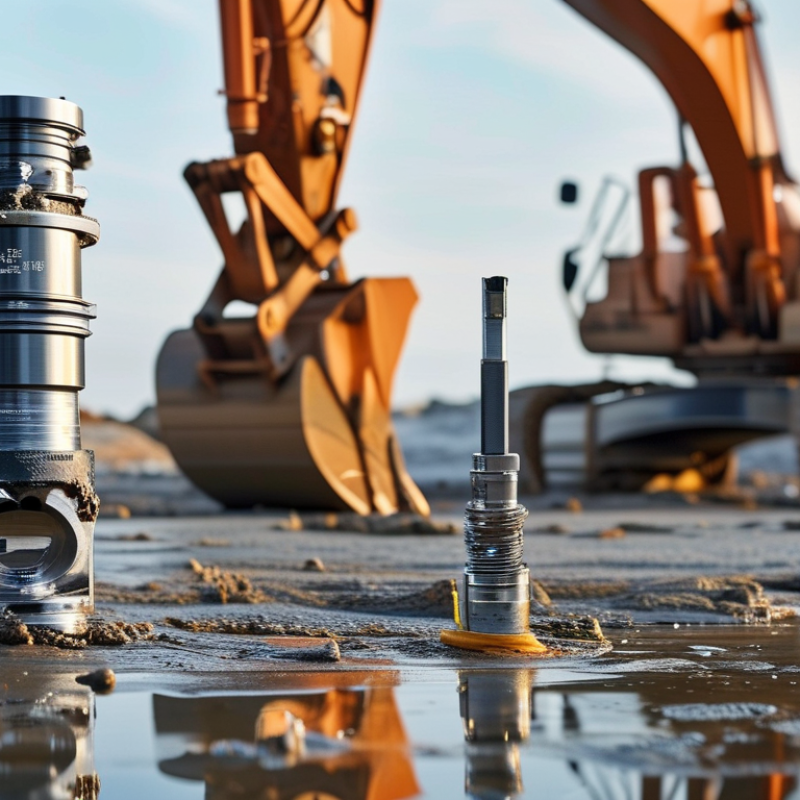
A China excavator hydraulic cylinder is a mechanical actuator manufactured or assembled in China. It changes pressurized hydraulic oil into straight-line movement. On an excavator, this movement raises the boom, moves the arm, or curls the bucket. Its main parts include a steel barrel, piston, rod, seals, bushings, and oil ports.
The cylinder’s bore controls pushing force, while its stroke determines movement distance. Rod diameter affects strength and resistance to bending. Mounting dimensions must match the excavator precisely. A difference of only a few millimeters can create side loading and premature wear. Quality also depends on barrel honing, rod surface treatment, seal material, and pressure testing. Manufacturing location alone does not prove performance.
Check the working pressure, stroke length, pin diameter, and retracted length before choosing one. Ask for dimensional records and test evidence when available. Clean hydraulic oil matters greatly. Small metal particles can scratch the rod or damage the main seal. Field technicians often find that poor alignment causes failures blamed on the cylinder. That mistake is easy to make. A lower price may reflect simpler inspection, but it may also reflect efficient production. Compare measurable details instead of guessing. One practical check is to inspect the rod for rust, scoring, or uneven chrome before installation. Even reliable cylinders can fail when installation tools, oil cleanliness, or load alignment are overlooked.
How to Choose the Best China Excavator Hydraulic Cylinder? - What Is a China Excavator Hydraulic Cylinder?
| Data Dimension | What It Means | Typical Excavator Hydraulic Cylinder Data | Why It Matters | Selection Guidance |
|---|---|---|---|---|
| Product Definition | A hydraulic cylinder is a linear actuator that converts pressurized hydraulic fluid into straight-line pushing and pulling force. | Common excavator cylinders include boom, arm, bucket, blade, and swing-adjustment cylinders. | It enables the excavator to lift, dig, crowd, tilt, and position working equipment. | Match the cylinder type and mounting dimensions with the exact excavator function. |
| Cylinder Type | The application and movement controlled by the cylinder. | Typical types are boom cylinders, arm cylinders, bucket cylinders, blade cylinders, and auxiliary cylinders. | Each location uses different stroke lengths, mounting arrangements, and force requirements. | Identify the original application before comparing suppliers or quotations. |
| Bore Diameter | The internal diameter of the cylinder tube. | Compact excavators commonly use approximately 40–90 mm bores; larger machines may use approximately 100–220 mm or more. | A larger bore generally provides greater theoretical pushing force at the same hydraulic pressure. | Use the original bore or an engineering-approved equivalent; do not select by outside diameter alone. |
| Rod Diameter | The diameter of the chrome-plated piston rod. | Typical rod diameters range from approximately 25–60 mm on compact equipment and 70–150 mm or more on large excavators. | The rod must resist buckling, bending, impact, and tensile loading during operation. | Verify rod diameter, material, surface hardness, and the available installation clearance. |
| Stroke Length | The maximum linear travel of the piston rod from fully retracted to fully extended. | Typical strokes range from approximately 250–800 mm on compact excavators and can exceed 1,000 mm on larger machines. | Stroke directly affects bucket reach, boom height, arm movement, and attachment positioning. | Measure the pin-center distance in both fully retracted and fully extended positions. |
| Operating Pressure | The hydraulic pressure at which the cylinder is designed to operate. | Many excavator hydraulic systems operate around 210–350 bar, depending on machine size and system design. | Pressure determines the theoretical cylinder force together with the piston area. | Choose a cylinder rated for the machine's actual working pressure and pressure peaks. |
| Theoretical Force | The force generated by hydraulic pressure acting on the piston area. | Extension force = pressure × piston area; retraction force is lower because the rod occupies part of the piston area. | Different bore and rod sizes produce different digging, lifting, and crowding forces. | Compare calculated force with the equipment's original performance requirements, not pressure alone. |
| Mounting Dimensions | The physical interfaces used to install the cylinder. | Important dimensions include pin diameter, center-to-center length, clevis width, eye width, and mounting orientation. | Even a cylinder with the correct bore and stroke may not fit or may create unsafe side loading. | Confirm every mounting dimension against the removed cylinder or the equipment service data. |
| Tube Material | The material and manufacturing quality of the pressure tube. | Common choices include honed seamless steel tubing or precision-finished welded steel tubing suitable for hydraulic service. | The tube must withstand internal pressure and provide a smooth sealing surface for the piston seals. | Ask for tube specification, internal surface finish, wall thickness, and pressure-test records. |
| Piston Rod Material | The steel grade and surface treatment used on the rod. | Hydraulic rods commonly use medium-carbon or alloy steel with induction hardening and hard chrome plating. | Surface hardness and corrosion resistance help reduce scoring, pitting, and premature seal wear. | Check chrome thickness, surface roughness, straightness, and corrosion-protection requirements. |
| Sealing System | The seals that retain hydraulic oil and prevent dirt or water from entering the cylinder. | Typical components include a piston seal, rod seal, wiper seal, guide ring, wear ring, and static O-rings. | Seal compatibility affects leakage, service life, friction, and performance across temperature changes. | Select seal materials compatible with the hydraulic fluid, temperature range, pressure, and duty cycle. |
| Hydraulic Port | The connection through which hydraulic oil enters and leaves the cylinder. | Port types may include metric, BSP, SAE, or other thread standards; port sizes vary with flow requirements. | Incorrect threads or port orientation can cause leakage, hose interference, or difficult installation. | Verify thread standard, nominal size, port position, and hose connection angle before ordering. |
| Working Temperature | The temperature range in which the cylinder and seals are expected to operate. | Many standard hydraulic seals are designed for approximately -30°C to 100°C, subject to material and fluid selection. | Extreme cold increases fluid viscosity, while excessive heat accelerates seal and oil degradation. | Specify the lowest and highest operating temperatures for the intended work environment. |
| Surface Protection | Coatings applied to exposed components to resist corrosion and wear. | Common options include painted cylinder tubes, zinc or nickel-chrome rod coatings, and protective rod covers. | Protection is especially important in wet, coastal, mining, forestry, and chemically aggressive environments. | Choose coating and storage protection according to climate, exposure, and maintenance conditions. |
| Quality Verification | Tests used to confirm dimensional accuracy, sealing performance, and pressure resistance. | Useful checks include dimensional inspection, weld inspection, cleanliness control, pressure testing, and leakage testing. | Testing reduces the risk of internal bypass, external leakage, structural failure, and installation problems. | Request inspection records, pressure-test results, and traceability for critical components. |
| Compatibility Check | Confirmation that the replacement cylinder matches the excavator and its hydraulic system. | Required information includes machine model, cylinder position, bore, rod, stroke, retracted length, extended length, and pin dimensions. | Accurate data prevents incorrect force, limited movement, hose damage, and unsafe mechanical interference. | Provide drawings, photographs, nameplate information, or measured dimensions when requesting a quotation. |
| Maintenance Requirements | Routine actions that preserve cylinder performance and service life. | Key actions include cleaning the rod, checking for leakage, lubricating pins, inspecting hoses, and protecting exposed rods during storage. | Contamination, misalignment, worn pins, and damaged rods are common causes of premature cylinder failure. | Follow the excavator maintenance schedule and repair leakage before contamination reaches the cylinder. |
| Best-Choice Criteria | The main factors used to compare a China-made excavator hydraulic cylinder with alternatives. | Dimensional accuracy, pressure rating, material quality, seal selection, testing, documentation, and after-sales support. | Lowest price alone does not establish compatibility, safety, or total service value. | Choose the option that meets the original specifications and provides verifiable quality evidence. |
Note: Actual dimensions, pressure ratings, materials, and seal specifications vary by excavator model, cylinder position, hydraulic system, and operating conditions. Always confirm the original equipment specifications before replacement.
Related Posts
-
China Top Hydraulic Cylinder for Excavator Suppliers?
-
2026 How to Choose the Right Excavator Hydraulic Cylinder?
-
Top 10 Excavator Hydraulic Cylinder Manufacturers to Choose?
-

Essential Tips for Choosing Hydraulic Cylinder for Excavator?
-
Top China Best Excavator Hydraulic Cylinder Suppliers for Buyers?
-
2026 Best Hydraulic Cylinder For Excavator Options to Buy?