The 139th Canton Fair will showcase innovative technology, including the prominent category of Telescopic Cylinders Underbody. This sector is rapidly evolving, driven by manufacturing advancements and increasing demand in various industries. According to a recent market analysis report by industry expert Dr. Jason Lee, “The future growth of Telescopic Cylinders Underbody hinges on precision engineering and smart manufacturing solutions.”
At this year's fair, suppliers can utilize AI tools for efficient navigation and vendor selection, streamlining the procurement process. Highlighted by over 1.55 million square meters of exhibition space, the fair is poised to enhance transaction efficiency significantly. Yet, the complexity of these innovations may pose challenges. Some buyers might struggle to interpret technical specifications correctly.
A well-crafted Telescopic Cylinder can make a significant impact on machinery performance. Still, misunderstandings about product capabilities can lead to costly mistakes. Staying informed is crucial for both buyers and sellers in this rapidly shifting landscape. As new technologies emerge, manufacturers must adapt swiftly or risk being left behind. The ability to communicate effectively about “Telescopic Cylinders Underbody” will be essential at this pivotal event.
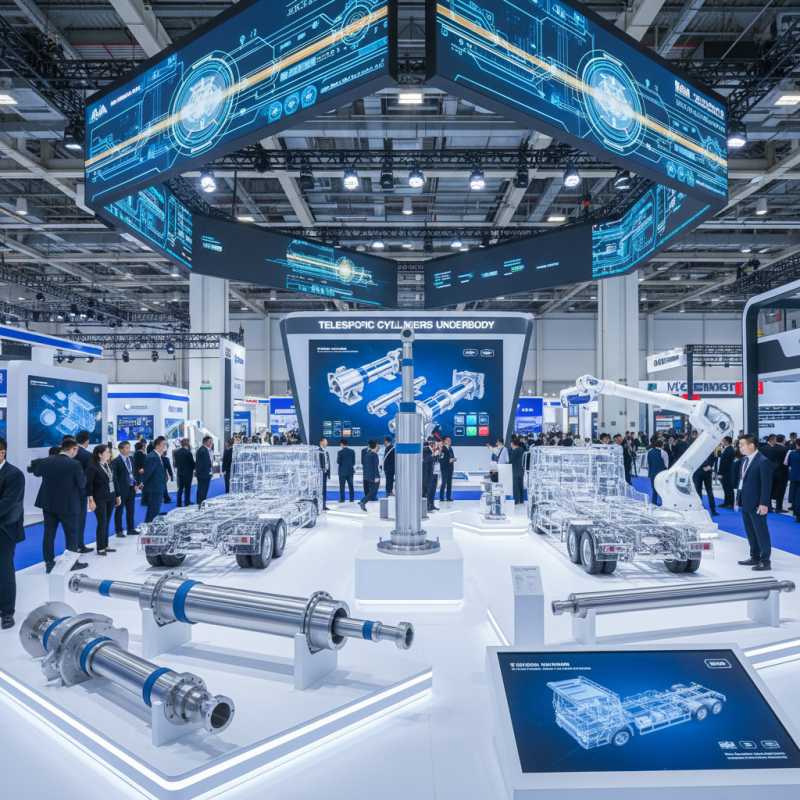
Telescopic cylinders play a vital role in various industries. Their design allows for compact and powerful force generation. These cylinders are often used in construction, manufacturing, and automotive sectors. According to industry reports, the demand for telescopic cylinders is expected to grow by 5% annually through 2025. This reflects their importance in machinery and equipment.
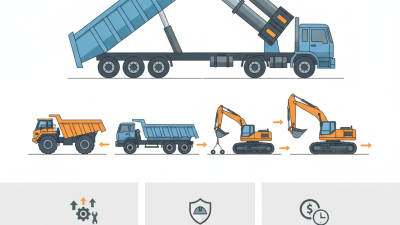
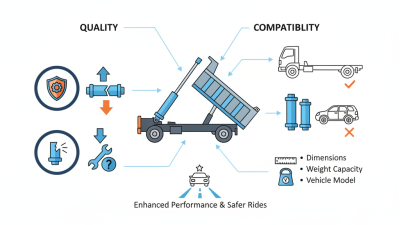
The applications of telescopic cylinders are diverse. They are commonly used in dump trucks, which rely on the cylinders to raise and lower their beds. In manufacturing, these cylinders facilitate material handling and machine automation. However, the market still faces challenges. Issues such as cylinder maintenance and potential failure can disrupt operations. It's critical for users to adhere to best practices for maintenance to avoid costly downtimes.
One interesting fact is that many industries have not fully optimized their usage of these hydraulic components. Research indicates that proper training and awareness could enhance efficiency. Additionally, the environmental impact of hydraulic fluids raises concerns. Efforts must be made to improve fluid management and reduce waste. This balance between performance and sustainability remains a point of reflection for many businesses relying on telescopic cylinders.
When exploring telescopic cylinders at the 139th Canton Fair, focus on key features that matter. Durability is crucial. Look for materials that resist wear and corrosion. This ensures longevity and reliability in various applications.
Another important aspect is the load capacity. Different projects require different strengths. Make sure the cylinders can handle the specific weight or pressure needed. Checking safety ratings is essential too.
Tip: Always ask for detailed specifications. Sometimes, the surface looks fine, but internal flaws can cause issues later. It's wise to inspect the cylinder fully.
Also, consider the ease of installation. Complex setups can lead to delays. Simplicity is vital here. Smaller, user-friendly designs are often preferable. These features can save time and reduce the potential for mistakes.
Tip: Don’t hesitate to seek expert advice. Gaining insights from professionals can help clarify your options. Trust intuition as you navigate choices.
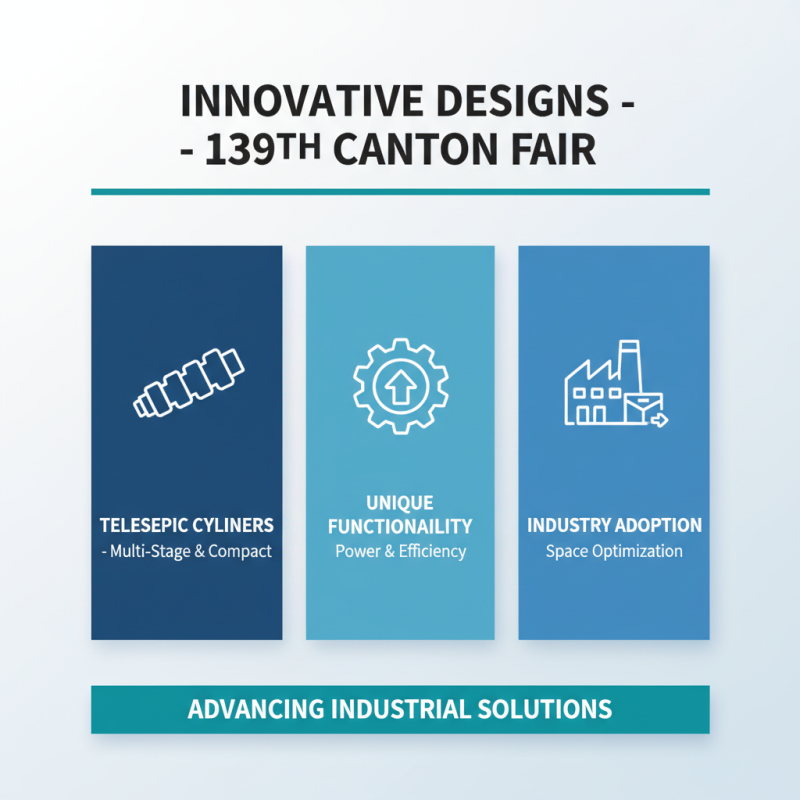
The 139th Canton Fair showcased a range of innovative telescopic cylinder designs. Attendees were impressed by the unique functionality and modern aesthetics. Many exhibitors presented multi-stage cylinders that are both compact and powerful. This combination draws interest from various industries seeking efficiency and space optimization.
Tips: When exploring telescopic cylinders, consider your specific needs. Think about space limitations and required lifting capacity. Don't overlook the importance of ease of installation.
Some of the designs featured unique materials that enhance durability. These materials withstand harsh environments while maintaining performance. However, there were instances where the specified load limits were not clearly communicated. This can lead to potential risks.
Tips: Always check specifications carefully. Ask questions to clarify any doubts you might have. Engaging with the manufacturers can provide valuable insights.
Overall, the fair highlighted the importance of innovation in design. While some designs were groundbreaking, others raised concerns about accuracy in documentation. This disparity reminds buyers to conduct thorough research before making decisions.
The 139th Canton Fair showcased an impressive range of telescopic cylinders. Various manufacturers presented their innovations. Attendees noted functional designs and advanced technology in many models.
One standout feature was the durability of these cylinders. Users appreciated those made from high-quality materials. However, some designs lacked versatility for different applications. This raised questions about adaptability in diverse environments. A careful investigation revealed that performance can vary widely between brands.
The comparison of specifications highlighted important differences. Some cylinders showed better lifting capacity. Others had advanced sealing systems to prevent leaks. Yet, a few products failed to meet their performance claims. This inconsistency leaves potential buyers needing more research. Making an informed choice requires studying detailed comparisons and real user feedback.
The manufacturing and design of telescopic cylinders are evolving. Innovations are pushing boundaries in both performance and efficiency. Manufacturers focus on materials that enhance durability while reducing weight. Advanced materials like high-strength alloys are becoming more common. This change leads to better functionality in various applications.
Sustainability is a growing trend. Companies are exploring eco-friendly materials and processes. Many are looking at ways to minimize waste during production. This shift also raises questions about the feasibility of recycling these components. It’s an area needing further exploration.
Automation and smart technology are influencing design. Integration of sensors is becoming essential. These sensors provide real-time data, improving performance monitoring. However, this trend presents challenges in terms of cost and complexity. There is a fine line between innovation and practicality that needs attention. The future of telescopic cylinders is bright, yet it calls for careful consideration of these developments.
| Cylinder Type | Max Stroke (mm) | Piston Diameter (mm) | Working Pressure (bar) | Weight (kg) | Material |
|---|---|---|---|---|---|
| Single Acting | 1500 | 80 | 120 | 45 | Steel |
| Double Acting | 2000 | 100 | 150 | 55 | Aluminum |
| Multi-Stage | 3000 | 120 | 200 | 70 | High-strength Steel |
| Compact | 1000 | 60 | 90 | 35 | Aluminum Alloy |
| Heavy Duty | 2500 | 150 | 180 | 85 | Steel |
| Lightweight | 1200 | 50 | 80 | 30 | Aluminum |
| Telescoping | 2500 | 90 | 160 | 65 | Composite |
| Mining | 3500 | 140 | 220 | 90 | High-tensile Steel |
| Agriculture | 2200 | 110 | 160 | 50 | Aluminum |
| Construction | 2800 | 130 | 200 | 75 | Steel |