What Is a Telescopic Cylinder and How Does It Work?
A Telescopic Cylinder is a hydraulic actuator built from nested sections that extend one after another. This design creates a long working stroke from a relatively short, retracted package. You may see one lifting a dump truck bed, raising a mobile crane boom, or tipping a trailer. In each case, space is limited when the equipment is stored, but substantial reach is needed during operation.
How does it work? Pressurized hydraulic fluid enters the cylinder and pushes its largest stage outward. As that stage reaches its extension limit, internal pressure moves the next, smaller stage. The sequence continues until the cylinder reaches its full stroke. When fluid returns to the reservoir, gravity or a controlled hydraulic circuit retracts the stages, depending on the cylinder’s design and application. Simple in principle. But the details matter.
The number of stages, operating pressure, load, mounting angle, and fluid condition all affect performance. A cylinder lifting a heavy bed on uneven ground faces different demands from one moving a lightweight boom. Engineers must account for side loads, stability, seals, and maintenance access—not just maximum extension. Inspection can reveal leaks, scoring, or uneven movement before these problems become serious. Still, a telescopic design is not automatically the best choice. It can offer impressive reach, yet its multiple sliding stages require careful design and upkeep. Understanding its operating sequence and limitations helps operators, technicians, and equipment buyers assess whether it fits the job. There is no universal answer; the application sets the standard.
What Defines a Telescopic Cylinder and Its Nested-Stage Design?
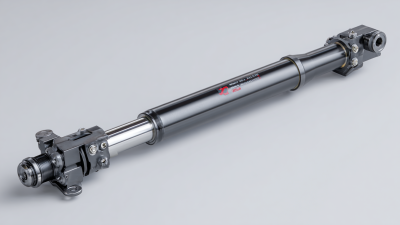
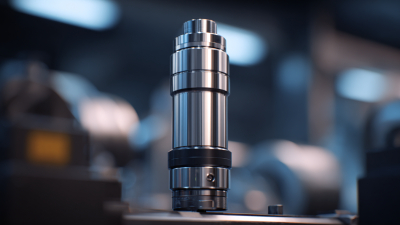
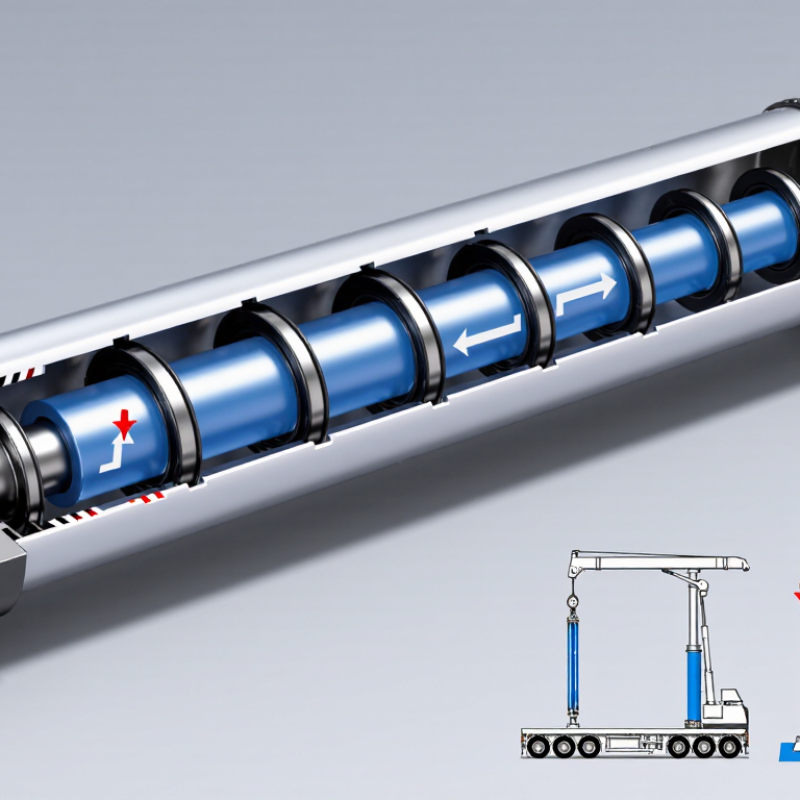
A telescopic cylinder is a hydraulic actuator built from two or more hollow stages arranged inside one another. This nested design allows a long stroke within a short retracted body. Each stage resembles a thick-walled tube with seals, guide surfaces, and a polished sliding section. When hydraulic fluid enters the cylinder, pressure pushes the largest stage outward. Smaller stages then extend in sequence, depending on the internal arrangement. Compact when stored.
The defining feature is the nesting relationship. A single-stage cylinder usually needs installation space close to its full stroke length. A telescopic model does not. Its sections overlap while retracted, then separate as oil fills successive chambers. Some cylinders extend from the largest stage inward, while others use different staging methods. That detail affects load capacity, speed, stability, and service life. In field inspections, uneven movement can indicate contaminated fluid, damaged seals, or trapped air. Clean oil matters.
Retraction may depend on gravity, an external force, or hydraulic pressure in a return circuit. In many single-acting designs, the smallest stage retracts first, followed by larger stages. This sequence is not universal. Designers must match bore sizes, wall thickness, stroke length, mounting angle, and rated pressure. A cylinder may look simple from outside. Inside, small clearances control reliability. I have found that alignment deserves more attention than many specifications suggest. Even slight side loading can accelerate wear. The design is efficient, but not forgiving.
How Do Single-Acting and Double-Acting Types Differ?
A telescopic cylinder uses nested steel stages to produce a long stroke from a compact retracted length. Each stage extends as hydraulic fluid enters the cylinder. The design suits dump bodies, lifting platforms, and other machines with limited installation space. However, its behavior depends strongly on whether it is single-acting or double-acting.
A single-acting telescopic cylinder receives hydraulic pressure in one direction only. The load, gravity, or an external spring usually retracts the stages. This design has fewer hydraulic connections and can be easier to maintain. Retraction may become slow or incomplete when the load is too light. A double-acting cylinder uses hydraulic pressure for both extension and retraction. It offers better movement control, especially when the load shifts or the cylinder works at an angle. It also needs additional plumbing, seals, and directional control. That adds cost and possible maintenance points. The choice is not always obvious.
Tips: Check the rated pressure, stroke length, mounting alignment, and expected load before installation. Keep side loads low. Inspect seals and hoses regularly. A common mistake is choosing by maximum stroke alone. Real performance also depends on oil cleanliness, stage sequencing, and retraction conditions. Cylinders can look identical outside, yet perform very differently under uneven loads.
How Does Hydraulic Pressure Extend and Retract Each Stage?
What Is a Telescopic Cylinder and How Does It Work?
A telescopic cylinder contains several nested tubes, called stages, inside one outer barrel. Hydraulic oil enters the cylinder under pressure and acts on the largest available piston area. The resulting force pushes the first stage outward. Once it reaches its internal stop, oil pressure shifts the next stage. This sequence continues until the cylinder reaches full extension.
Pressure does the work. However, each stage changes the cylinder’s behavior. A larger piston area produces greater force, while a smaller area usually creates faster movement. The stages may not extend at the same speed. Seals guide each tube and prevent oil from escaping between sliding surfaces. Clean oil matters because a small particle can damage a seal or scratch a polished tube.
Retraction depends on the cylinder design. In a single-acting model, the load or gravity often pushes the stages inward as oil returns through the port. In a double-acting model, hydraulic pressure enters a return circuit and retracts each stage in a controlled order. Internal passages, check valves, and mechanical stops manage this movement. The smallest stage may retract first, although designs can vary. Real systems are less perfect than diagrams suggest. Temperature, uneven loading, and trapped air can cause hesitation or uneven motion. Field inspection should check seal condition, tube alignment, oil cleanliness, and unusual pressure changes.
What Is a Telescopic Cylinder and How Does It Work? - How Does Hydraulic Pressure Extend and Retract Each Stage?
| Topic |
How It Works |
Practical Detail |
| Basic construction |
A telescopic cylinder contains two or more nested tubes, often called stages or sleeves, that slide out from one another. |
Its compact retracted length can provide a much longer stroke than a conventional single-stage cylinder of similar closed length. |
| Hydraulic pressure |
Pump-supplied oil enters a pressure chamber and acts on the effective area of a stage. The resulting force is approximately pressure multiplied by effective area. |
Force is commonly expressed as F = P × A. Actual output is affected by friction, pressure losses, and the cylinder’s geometry. |
| Extension sequence |
Stages extend one after another as each reaches its designed limit and pressure is directed to the next stage. |
Many designs extend the larger outer stage first, followed by smaller inner stages, but the sequence depends on the cylinder’s internal arrangement. |
| Extension speed |
At a given oil flow rate, a stage with a larger effective area generally moves more slowly than one with a smaller area. |
Approximate relationship: speed = flow rate ÷ effective area. As a multistage cylinder changes stages, its speed and available force can change. |
| Single-acting retraction |
In a single-acting design, hydraulic pressure extends the stages; an external force returns them when oil is allowed to leave the cylinder. |
Gravity or the supported load may provide the return force. The cylinder itself does not use hydraulic pressure to power retraction. |
| Double-acting retraction |
A double-acting design uses hydraulic pressure on the return side to retract the stages, while oil from the opposite side flows back to the reservoir. |
Internal passages and stage-specific areas determine how pressure is routed during retraction. |
| Retraction sequence |
Stages retract in a controlled order determined by the cylinder’s design, hydraulic routing, and applied load. |
Do not assume every model retracts in the same order; follow the manufacturer’s circuit information for a particular cylinder. |
| Hydraulic control |
A directional control valve routes oil for extension or retraction. Relief and load-control valves can help limit pressure and manage movement. |
Correct valve selection and circuit design help control the load and reduce the risk of uncontrolled movement. |
| Common applications |
Telescopic cylinders are used where a long working stroke is needed but installation space is limited. |
Examples include dump bodies, lifting platforms, and some material-handling equipment. |
Note: Stage order, force, speed, and return method vary by cylinder design. Consult the equipment documentation before servicing or operating a specific system.
Why Do Telescopic Cylinders Commonly Use 2–6 Stages?
A telescopic cylinder uses nested sleeves that extend one after another. Hydraulic oil enters the largest stage first, then moves through internal ports to smaller stages. Each stage adds stroke without requiring an equally long retracted body. This makes the design valuable in dump trucks, lifting platforms, waste handlers, and agricultural equipment.
Two to six stages are common because this range balances reach, strength, cost, and control. A 2024 Off-Highway Research forecast placed annual global construction equipment sales above one million units, showing why compact hydraulic packaging matters in crowded machines. More stages can create a longer stroke in a shorter space. However, every added stage introduces seals, friction, alignment demands, and possible leakage points. The outer stage also carries higher bending loads, especially when the load is offset.
Two stages suit moderate extension and heavy-duty work. Six stages suit severe space limits, but they usually require tighter manufacturing tolerances and better load guidance. Hydraulic force still depends mainly on piston area and pressure, not simply stage count. As stages become narrower, available force can fall. Extension speed may also change between stages because their effective areas differ. The NFPA 2024 fluid power shipment reports indicate continued demand across mobile equipment, yet market volume does not remove engineering compromises. In practice, six stages can look impressive, but they are not automatically better. That assumption deserves testing.
Where Are Telescopic Cylinders Used in Mobile Equipment?
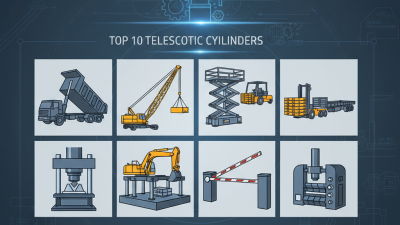
Telescopic cylinders are common where mobile equipment needs long travel but little storage space. On dump trucks, a staged cylinder raises the body so material slides out. Agricultural trailers use similar force to tip loads, while mobile cranes and lifting platforms use telescoping hydraulics to extend working reach. Space is scarce. That compact, nested design matters on machines moving between tight work areas.
Agriculture shows the scale of one important application sector. The USDA National Agricultural Statistics Service reported 1.9 million U.S. farms in its 2022 Census of Agriculture, covering about 880 million acres. Those figures do not measure cylinder use, but they show the breadth of machinery-dependent work, from field trailers to hay-handling equipment. In practice, cylinder choice depends on load, stroke, mounting angle, and the machine’s stability—not reach alone. A long extension can increase leverage and stress the frame. Easy to overlook.
On construction sites, telescopic cylinders lift dump bodies and extend some crane or service-equipment structures. In waste collection, they can raise containers or operate compacting mechanisms. Designers also consider retracted length, side loading, dirt exposure, and maintenance access. A cylinder that fits on paper may be awkward to service beside a chassis rail. I may be simplifying varied duty cycles here; a slow farm trailer and a frequently cycled work platform place very different demands on seals and components.