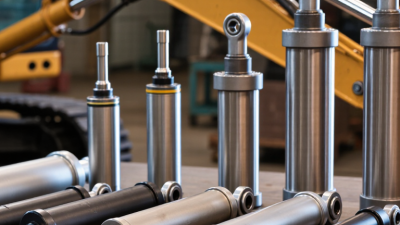
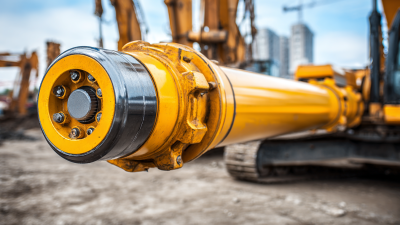
What Is the Best Hydraulic Cylinder for Excavators in 2026?
Choosing the best Hydraulic Cylinder For Excavator work in 2026 requires more than comparing prices or advertised force. The right cylinder must match the machine’s operating pressure, bore diameter, rod size, stroke length, mounting points, and expected cycle frequency. A mismatch can cause weak digging, uneven movement, seal failure, or premature damage to the pump and linkage.
Field conditions matter.
An excavator working in wet clay faces different demands from one loading crushed stone. Mud can collect around the rod seal. Fine dust can scratch polished surfaces. Cold mornings may reveal slow movement before a leak becomes visible. Experienced technicians inspect rod pitting, pin wear, weld quality, hose routing, and alignment before approving a replacement. Manufacturer manuals, verified dimensional drawings, pressure ratings, and recognized quality-control records should support the decision. Supplier traceability also matters, especially when replacement parts must fit an older machine.
There is no universal “best” cylinder. The strongest option may be unnecessary for light trenching, while a low-cost unit may fail under repeated high-load cycles. A reliable comparison should consider service life, seal availability, warranty terms, repairability, and total operating cost. ISO-based manufacturing controls can provide useful assurance, but certification alone cannot replace a proper fit check. This is where judgment becomes difficult. A spreadsheet may look convincing, yet overlook a worn mounting pin or a slightly incorrect stroke. This guide examines the practical specifications, material choices, testing evidence, and application details that define a dependable Hydraulic Cylinder For Excavator in 2026. Expect careful evaluation, not a perfect shortcut.
Hydraulic Cylinder Basics for Excavators in 2026
What Is the Best Hydraulic Cylinder for Excavators in 2026?
Hydraulic Cylinder Basics for Excavators in 2026
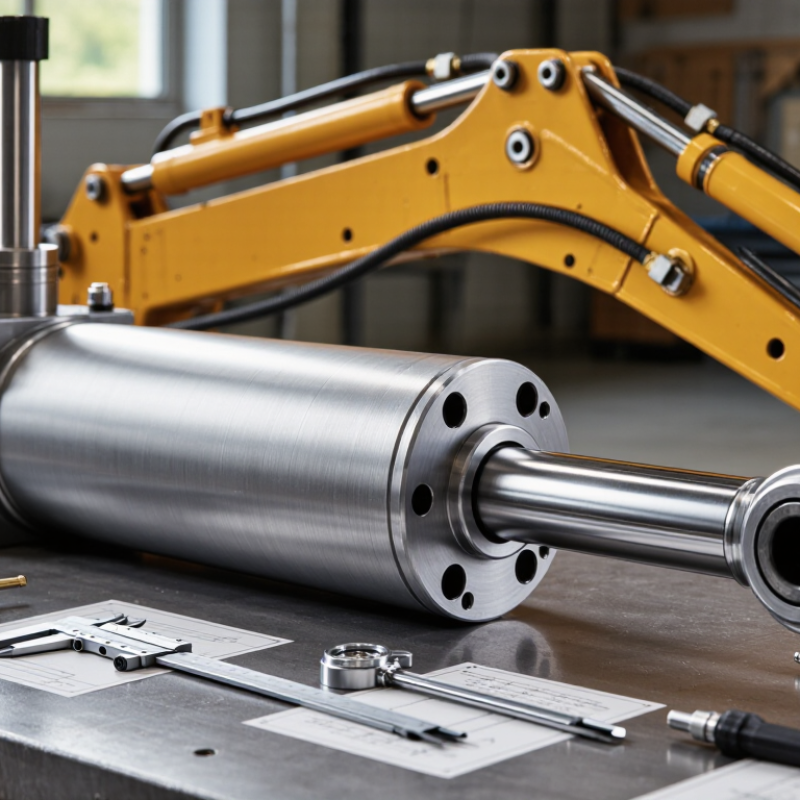
For excavators, a hydraulic cylinder is not chosen by lifting force alone. The basic match starts with bore diameter, rod diameter, stroke, mounting style, and rated pressure. These dimensions determine digging force, movement speed, and resistance to buckling. Measure the old cylinder carefully. Even a few millimeters can alter bucket control. An oversized bore may increase force, but it can slow the attachment and stress the pump.
Working conditions matter just as much. Rocky soil creates shock loads, while wet, abrasive mud attacks exposed rod surfaces. Choose a rod with suitable surface hardness and corrosion protection, then verify seal compatibility with the operating fluid. Check the pin eyes and bushings too. Misalignment can make a sound cylinder leak early. In practice, many failures blamed on seals begin with side loading, loose pins, or contaminated oil. Cleanliness is not optional.
Before installation, compare the cylinder’s pressure rating with the excavator’s relief-valve setting and duty cycle. Do not rely only on catalog dimensions. Confirm retracted length, extended length, port position, and clearance beside the boom. After fitting, bleed trapped air, inspect for drift, and watch the first operating cycles at low speed. I would not call this selection perfect without field checks. Record oil temperature, cycle time, and any unusual vibration during the first working shift.
Key Factors for Selecting the Best Excavator Hydraulic Cylinder
What Is the Best Hydraulic Cylinder for Excavators in 2026?
Key Factors for Selecting the Best Excavator Hydraulic Cylinder
The best excavator hydraulic cylinder must match the machine’s working demands, not just its listed pressure. Check bore diameter, rod size, stroke length, retracted length, and mounting dimensions carefully. Fit matters. A small mismatch can cause uneven force, leakage, or frame stress.
Field technicians should compare the cylinder’s rated pressure with the excavator’s actual hydraulic output. Leave a sensible safety margin for shock loads and repeated digging. A stronger cylinder is not always better. Excessive force may damage the boom, bucket linkage, or control valve. Confirm the duty cycle, operating temperature, and expected daily workload before choosing.
Seal quality also deserves close attention. Dusty quarries, muddy sites, and cold mornings place different demands on wipers and sealing materials. Rod surface hardness and corrosion resistance can extend service life. Ask for pressure-test records, dimensional drawings, and clear maintenance guidance. These documents improve traceability and reduce installation errors.
Mounting alignment is easy to underestimate. Inspect pins, bushings, hose routing, and grease points before installation. I have seen replacement cylinders fail early because worn pins forced the rod sideways. Measure twice. The perfect cylinder rarely exists, and selection sometimes involves compromise. A careful review of real job conditions is more reliable than choosing by price or appearance.
What Is the Best Hydraulic Cylinder for Excavators in 2026? - Key Factors for Selecting the Best Excavator Hydraulic Cylinder
Comparing Cylinder Types, Materials, and Performance
The best hydraulic cylinder for an excavator depends on load cycles, working pressure, and contamination. A short-arm digging job needs different hardware from a breaker attachment. Field technicians often compare welded and tie-rod designs first. Welded cylinders usually tolerate vibration better and offer strong external protection. Tie-rod cylinders can simplify servicing, but exposed fasteners need careful inspection.
Material choice changes service life. Induction-hardened chrome rods resist scoring from abrasive dust and damaged wipers. High-strength alloy steel improves fatigue resistance around the piston and gland. However, thicker steel alone does not guarantee durability. Poor heat treatment or weak seals can defeat an expensive cylinder. ISO 6020/2 and ISO 6022 provide useful dimensional and pressure benchmarks for hydraulic cylinders. They do not replace application testing.
The KHL Yellow Table 2024 valued global construction equipment sales at approximately US$243 billion for 2023, showing the scale of equipment demand and replacement pressure. CECE’s 2024 Economic Report also described weaker European equipment demand, making repairable designs more attractive. For many excavators, a welded, double-acting cylinder with robust sealing offers the safest balance. Telescopic cylinders suit specialized reach requirements, but alignment becomes less forgiving. I would not select solely by rated force. Measured rod buckling risk, oil cleanliness, pin clearance, and temperature matter more in daily work. That judgment can be wrong. Manufacturers should validate prototypes through cycle testing, not catalog figures alone.
Installation, Maintenance, and Service Life Considerations
Selecting the best hydraulic cylinder for an excavator begins with installation discipline. Grand View Research’s 2024 market analysis valued the global hydraulic cylinder market at approximately USD 14.7 billion in 2023. That scale reflects demanding use, not guaranteed durability. Match bore, stroke, mounting style, rod diameter, and working pressure to the excavator’s actual duty cycle. A cylinder that fits physically may still suffer from side loading. Keep lifting eyes aligned. Use calibrated torque tools. Never force pins through misaligned brackets.
Cleanliness controls service life. ISO 4406:2021 provides a particle-counting method for hydraulic fluid cleanliness. During installation, cap every hose immediately. Keep the rod horizontal and protected from gravel. The smallest visible grit can score a seal. NFPA technical guidance commonly links contamination with roughly 70% of hydraulic system failures. That figure deserves caution, but field evidence supports the warning. Oil sampling should record particle levels, water content, and viscosity, rather than relying only on color.
Maintenance intervals should follow operating hours and site conditions. Inspect chrome rods for pitting, dents, and dried oil rings each shift. Check drift, unusual noise, and rising cycle time. Replace damaged wipers early. They are inexpensive barriers. Service records should include pressure readings and seal-kit details. I would not promise a fixed service life. Dust, shock loading, poor alignment, and neglected filtration can shorten it dramatically. A cylinder lasting ten years in a clean quarry may fail within months on a muddy demolition site.